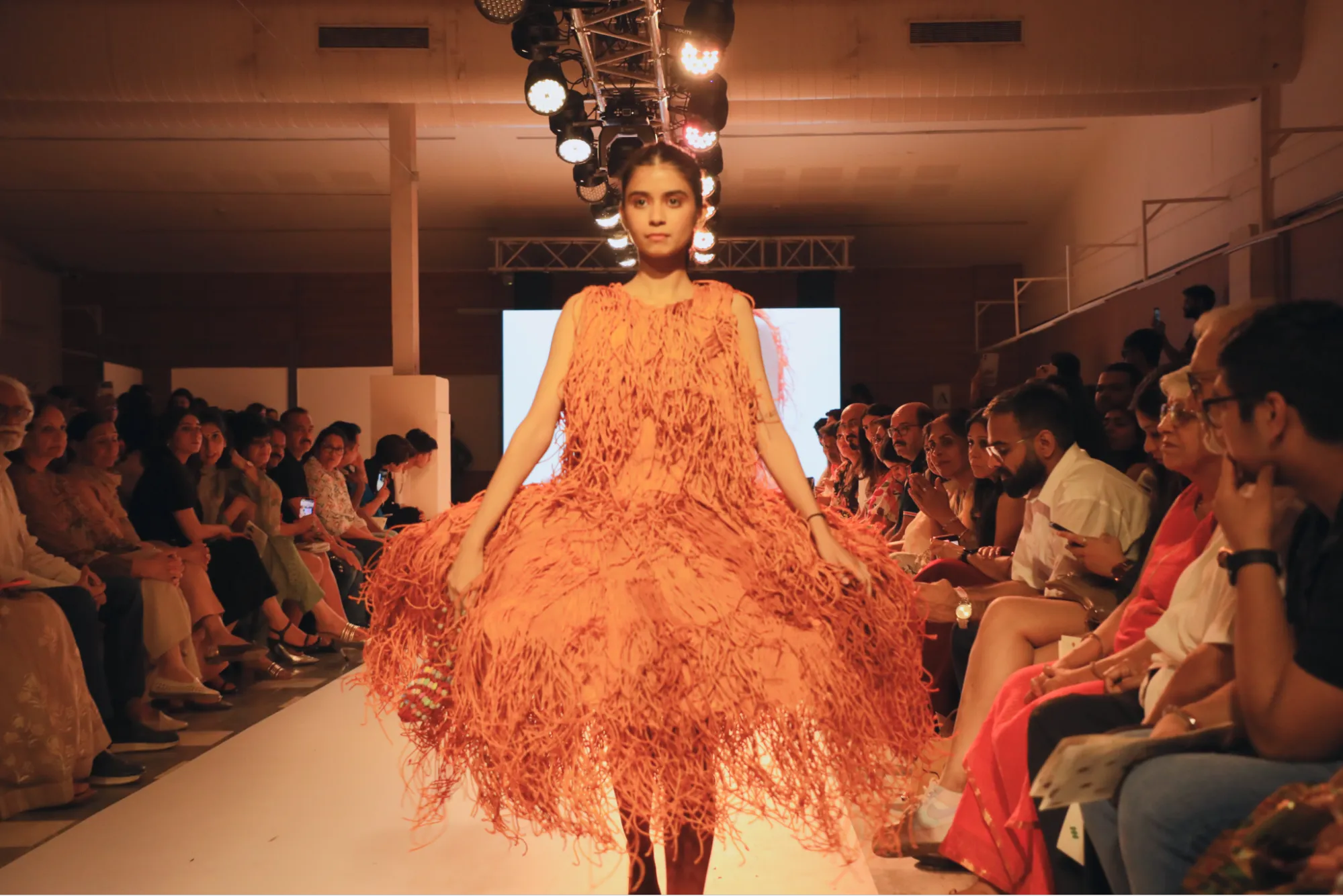
Fashion design is more than sketching pretty dresses or picking fabrics—it’s a vibrant art form that blends creativity, culture, and craftsmanship to shape how we present ourselves to the world. From the runways of Paris to your favorite local boutique, fashion design tells stories, reflects identities, and pushes boundaries. Let’s explore what fashion design truly is, how it works, and why it matters.
The Essence of Fashion Design
Fashion design is the process of creating clothing, accessories, and footwear that balance aesthetics, functionality, and cultural relevance. It’s where imagination meets practicality—think of a designer dreaming up a bold jacket that’s both a statement piece and warm enough for winter. This field requires a deep understanding of trends, materials, and human expression.
A Blend of Art and Function
At its core, fashion design merges artistic vision with real-world needs. Designers must consider how a garment looks, feels, and moves while ensuring it serves its purpose—whether that’s everyday wear or a show-stopping gala gown. It’s like painting a masterpiece that someone can wear to the grocery store.
A Reflection of Culture and Identity
Fashion isn’t just clothes; it’s a mirror of society. From the vibrant prints of African textiles to the minimalist chic of Scandinavian brands, designs capture cultural moments and personal stories. Think of how a leather jacket screams rebellion or a sari embodies tradition—fashion speaks where words don’t.
The Fashion Design Process
Creating a piece of clothing is a journey from concept to closet. Each step requires skill, patience, and a touch of magic. I remember watching my cousin, an aspiring designer, sketch late into the night, her desk littered with fabric swatches and half-drunk coffee cups. That passion fuels the process.
Inspiration and Concept Development
Every design starts with a spark—an idea drawn from nature, history, or even a fleeting emotion. Designers gather inspiration from art, music, or global cultures, then translate it into sketches or mood boards. It’s like capturing a dream and giving it form.
Sketching and Prototyping
Once the concept is clear, designers sketch their ideas, often by hand or using software like Adobe Illustrator. These sketches evolve into prototypes, or “muslins,” which are rough drafts made from inexpensive fabric. This stage is where the vision starts to feel real.
Material Selection
Choosing the right fabric is like picking the perfect ingredient for a recipe. Designers consider texture, weight, and sustainability—cotton for breathability, silk for luxury, or recycled polyester for eco-consciousness. The wrong choice can ruin the dish, or in this case, the dress.
Pattern Making and Construction
Pattern making is the blueprint of fashion design. Designers create flat paper patterns that guide how fabric is cut and sewn. It’s a meticulous process—think of it as solving a puzzle where one wrong piece can throw off the entire fit.
Production and Final Touches
Once the pattern is perfected, the design moves to production, whether it’s a one-off couture piece or a mass-produced T-shirt. Final touches like embroidery or embellishments add personality, turning a garment into a story you can wear.
Types of Fashion Design
Fashion design isn’t one-size-fits-all. It spans various niches, each with its own flair and focus. Whether you’re into high fashion or cozy loungewear, there’s a corner of this world for you.
Haute Couture
Haute couture is the pinnacle of fashion—custom-made, hand-sewn garments for elite clients. Think of Dior’s intricate gowns, crafted with hours of artisanal work. These pieces are art, often costing as much as a car.
Ready-to-Wear (Prêt-à-Porter)
Ready-to-wear is the fashion you see in stores like Zara or H&M. It’s designed for the masses, balancing style and affordability. These collections hit runways but are made for everyday life, not just red carpets.
Streetwear
Streetwear blends casual comfort with urban edge—think hoodies, sneakers, and bold logos. Brands like Supreme and Off-White have turned streetwear into a cultural phenomenon, proving fashion can be both accessible and iconic.
Sustainable Fashion
Sustainable fashion focuses on eco-friendly materials and ethical production. Designers like Stella McCartney champion recycled fabrics and fair labor practices, showing that style doesn’t have to hurt the planet.
Tools and Skills Every Fashion Designer Needs
Fashion design isn’t just about creativity; it’s a craft that demands technical know-how and the right tools. I once tried sewing a skirt and ended up with a lopsided mess—trust me, skills matter.
Essential Skills for Fashion Designers
- Creativity: The ability to think outside the box and create unique designs.
- Technical Knowledge: Understanding sewing, pattern making, and fabric behavior.
- Trend Awareness: Keeping up with fashion cycles and cultural shifts.
- Communication: Collaborating with manufacturers, models, and clients.
Must-Have Tools for Fashion Design
| Tool | Purpose | Example Brands |
|---|---|---|
| Sewing Machine | Stitching fabrics with precision | Singer, Brother |
| CAD Software | Digital sketching and pattern design | Adobe Illustrator, Clo3D |
| Fabric Scissors | Cutting materials cleanly | Fiskars, Gingher |
| Measuring Tape | Ensuring accurate sizing | Generic, but high-quality |
Best Tools for Beginners
If you’re just starting, invest in a reliable sewing machine (Brother CS6000i is a great pick) and free software like Inkscape for sketching. Online platforms like Skillshare offer beginner-friendly courses to hone your craft.
Pros and Cons of a Career in Fashion Design
Like any passion-driven career, fashion design has its highs and lows. It’s not all glamour—there’s grit behind the glitter.
Pros
- Creative Freedom: Express yourself through every stitch and seam.
- Cultural Impact: Shape how people see themselves and the world.
- Diverse Opportunities: Work in haute couture, streetwear, or costume design.
Cons
- High Competition: The industry is crowded, and standing out is tough.
- Long Hours: Deadlines and client demands can mean late nights.
- Financial Risk: Starting your own label often requires significant investment.
Fashion Design vs. Other Creative Fields
How does fashion design stack up against other creative pursuits like graphic design or interior design? Let’s break it down.
| Aspect | Fashion Design | Graphic Design | Interior Design |
|---|---|---|---|
| Medium | Clothing, accessories | Digital or print visuals | Spaces and environments |
| Skill Focus | Sewing, pattern making | Software like Photoshop | Spatial planning, aesthetics |
| Client Interaction | High (custom fittings, consultations) | Moderate (client feedback) | High (space customization) |
| Market Reach | Global (runways, retail) | Global (ads, branding) | Local or project-based |
Fashion design stands out for its tangible, wearable output. Unlike graphic design, which lives on screens, or interior design, which transforms spaces, fashion is deeply personal—it’s something you carry with you.
Where to Learn Fashion Design
Ready to dive into fashion design? You don’t need to move to Paris (though it wouldn’t hurt). There are plenty of ways to get started, from formal education to self-taught skills.
Top Fashion Design Schools
- Parsons School of Design (New York): Known for alumni like Marc Jacobs.
- Central Saint Martins (London): A hub for avant-garde designers like Alexander McQueen.
- Istituto Marangoni (Milan): Perfect for learning Italian craftsmanship.
These schools offer hands-on training and industry connections, but they come with a hefty price tag. Check their websites for scholarships or online programs.
Online Learning Platforms
If school isn’t your path, platforms like Coursera, Udemy, and Domestika offer affordable courses. For example, Coursera’s “Fashion Design Process” course is great for beginners, covering sketching to production.
Self-Taught Route
YouTube tutorials and books like Fashion Design Course by Steven Faerm can guide you. Join communities on Reddit (r/fashiondesign) or Instagram to connect with other designers and share your work.
People Also Ask (PAA)
Here are answers to common Google questions about fashion design, straight from the SERPs.
What does a fashion designer do?
A fashion designer creates clothing and accessories, from concept to production. They sketch designs, choose fabrics, and oversee manufacturing while staying on top of trends. It’s a mix of art, technical skill, and market savvy.
Is fashion design a good career?
It can be, if you’re passionate and resilient. The industry offers creative freedom and global impact, but it’s competitive, with irregular hours. Success depends on talent, networking, and persistence.
How do I start a career in fashion design?
Start by learning the basics—sketching, sewing, and fabric knowledge. Take courses, build a portfolio, and intern with designers or brands. Networking on platforms like LinkedIn can open doors.
What skills are needed for fashion design?
You need creativity, technical skills (sewing, pattern making), and an eye for trends. Communication and business skills also help, especially if you’re launching your own line.
FAQ: Common Questions About Fashion Design
How long does it take to become a fashion designer?
It varies. A degree takes 3–4 years, but self-taught designers can start creating in months with dedication. Building a reputation takes years of consistent work and networking.
Do fashion designers need to know how to sew?
Yes, sewing is a core skill. It helps you understand fabric behavior and construction, even if you outsource production later. Basic hand and machine sewing are must-haves.
Can I learn fashion design online?
Absolutely. Platforms like Skillshare and Udemy offer courses on sketching, pattern making, and more. Pair these with practice and feedback from online communities.
What’s the difference between fashion design and fashion styling?
Fashion design is about creating garments from scratch, while styling involves curating outfits from existing pieces. Designers build; stylists assemble.
How much do fashion designers earn?
Salaries vary widely. Entry-level designers might earn $30,000–$50,000 annually, while top designers at major brands can make six figures. Freelance or entrepreneurial paths depend on your hustle.
Why Fashion Design Matters
Fashion design isn’t just about clothes—it’s about identity, culture, and self-expression. I remember my first “designer” purchase: a thrifted vintage blazer that made me feel unstoppable. That’s the power of design—it transforms how we move through the world. Whether you’re drawn to the drama of haute couture or the accessibility of streetwear, fashion design invites you to create, connect, and inspire.
Getting Started Today
If you’re itching to try fashion design, start small. Grab a sketchbook, watch a YouTube tutorial, or repurpose an old shirt into something new. The fashion world is vast, and there’s room for your unique voice. Check out resources like Vogue’s fashion news for inspiration or join a local sewing class to build skills. Your first design might not be perfect, but it’ll be yours—and that’s what counts.
Leave a Reply