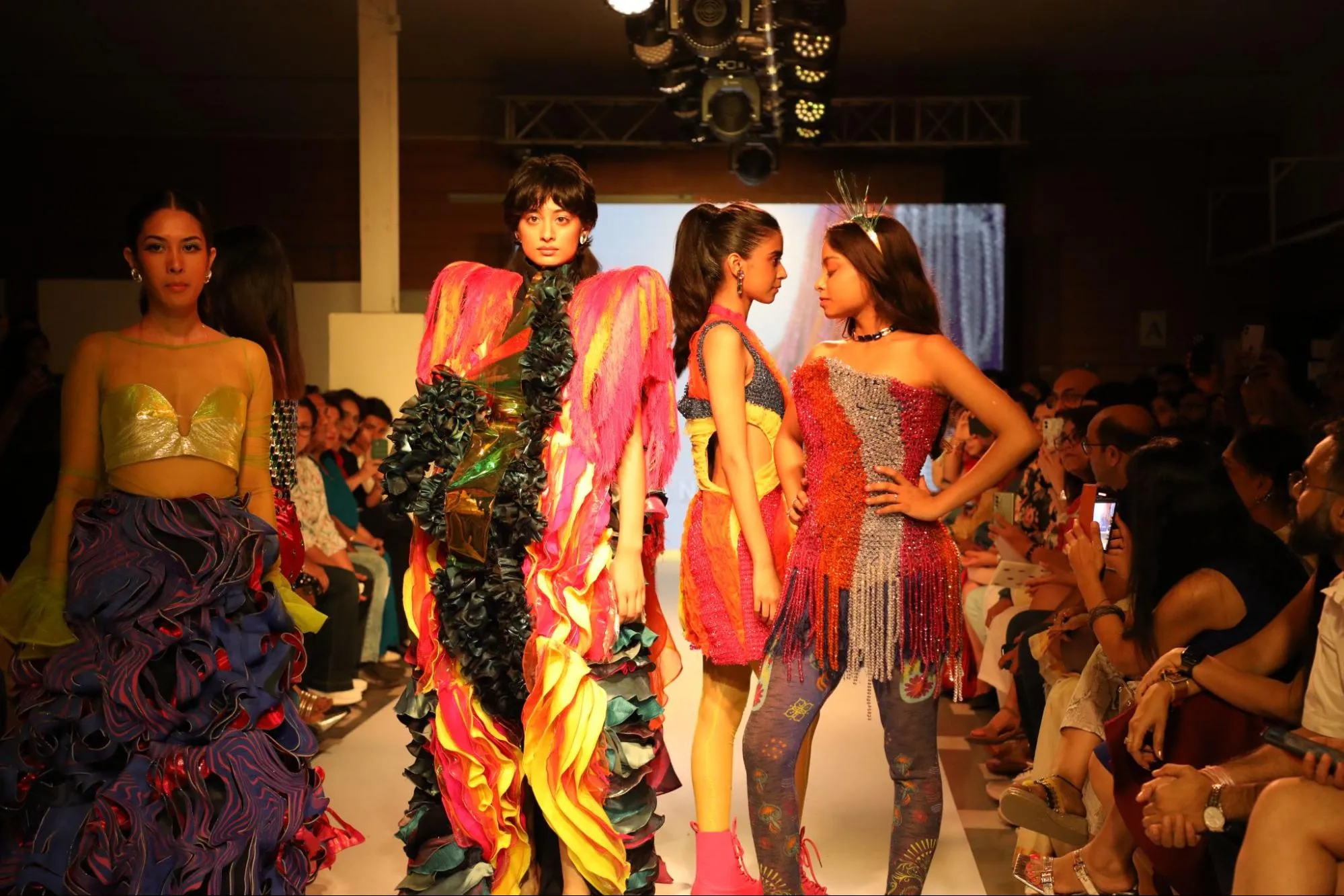
Hey there, ever caught yourself scrolling through Instagram, spotting an outfit that screams “must-have,” and suddenly wondering why everyone seems to be wearing the same thing? I know I have. Back in my college days, I once splurged on a pair of chunky sneakers because they were everywhere—celebrities, friends, even my barista rocked them. Turns out, that was my first real brush with a fashion trend. It felt exciting, like being part of something bigger, but it also got me thinking: what makes these styles pop up, and why do we care so much? In this deep dive, we’ll unpack what a fashion trend really is, trace its roots, and explore why staying trendy isn’t just about looking good—it’s tied to who we are as a society. Stick around; by the end, you might see your wardrobe in a whole new light.
What Exactly Is a Fashion Trend?
Picture this: a fashion trend is like a wave in the ocean of style—it builds up, crests with popularity, and eventually rolls out, making way for the next one. At its core, it’s a collective shift in clothing, accessories, or aesthetics that catches on for a season or two, often starting from runways or street style and spreading like wildfire through social media. Think of it as the repetition of a pattern, where the same colors, silhouettes, or fabrics show up repeatedly until they define an era’s vibe.
The Origins of Fashion Trends
Trends don’t just appear out of thin air; they often stem from cultural shifts, like how the pandemic sparked comfy athleisure wear because we all craved comfort during lockdowns. Designers and influencers play a big role, pulling inspiration from history, art, or even global events—remember how sustainability boomed with eco-friendly fabrics? It’s fascinating how something as simple as a celebrity post can kickstart a movement, turning a niche idea into mainstream must-haves.
Difference Between Trends and Fads
While a trend might stick around for years, evolving like denim jeans that shift from skinny to wide-leg, a fad is that flash-in-the-pan craze that burns bright but fizzles fast—think fidget spinners in clothing form, like those neon leg warmers from the ’80s. Trends have staying power because they reflect deeper societal values, whereas fads are more about novelty and often leave you regretting that impulse buy. Knowing the difference saves your closet from clutter and your wallet from regret.
How Fashion Trends Evolve Over Time
Trends cycle like seasons, often reviving old favorites with a modern twist—take the ’90s grunge look that’s back but softer and more polished today. They start small, maybe on a Paris runway, then influencers amplify them, and before you know it, fast-fashion stores like Zara are stocked. This evolution keeps fashion fresh, but it also highlights how technology, like AI trend forecasting, speeds things up nowadays.
The Role of Influencers and Social Media
I chuckle remembering my attempt at the “cottagecore” aesthetic during quarantine—flowy dresses and all—thanks to TikTok videos that made it irresistible. Influencers turn trends viral overnight, showing real people styling pieces in everyday ways, which builds relatability. Social media democratizes fashion, letting anyone spot or start a trend, but it can also create pressure to keep up, turning style into a fast-paced game.
Runways vs. Street Style: Where Trends Really Begin
High-fashion runways set the blueprint, like when designers debut bold prints that trickle down to affordable lines. But street style? That’s the real magic—ordinary folks mixing high and low, creating organic trends that feel authentic. I’ve seen friends turn thrift finds into looks that rival catwalk vibes, proving trends aren’t just top-down; they’re a conversation between creators and wearers.
Why Trendy Fashion Matters in Today’s World
Beyond the fun of updating your look, trendy fashion matters because it’s a mirror to our collective mood—think how bold colors surged post-pandemic as a nod to optimism. It boosts personal confidence, helps us connect socially, and even drives economies through jobs in design and retail. Ignoring trends might mean missing out on that shared cultural language that makes getting dressed feel meaningful.
Boosting Self-Expression and Confidence
Nothing beats the rush of slipping into a trendy outfit that just clicks—like when I finally embraced wide-leg pants and felt taller, more put-together instantly. Trends offer tools for self-expression, letting you signal your personality without words, whether it’s edgy streetwear or elegant minimalism. They build confidence by making you feel current and connected, turning a simple wardrobe choice into a daily empowerment ritual.
Reflecting Cultural and Social Changes
Fashion trends capture the zeitgeist, like how gender-fluid styles rose with conversations on inclusivity, challenging old norms. They reflect shifts in values—sustainability trends push for ethical brands, mirroring environmental awareness. It’s emotional too; trends can evoke nostalgia or hope, reminding us how clothing weaves into the fabric of history and helps us navigate change.
Economic Impact of Following Trends
Trends fuel a massive industry, creating jobs from designers to marketers and boosting retail sales—fast fashion alone rakes in billions annually. For consumers, spotting trends early can mean savvy buys that hold value, like investing in timeless pieces with a trendy edge. It’s not just spending; it’s participating in an economy that innovates and adapts, keeping things exciting for everyone involved.
Pros and Cons of Chasing Fashion Trends
Diving into trends has its ups and downs, and I’ve learned that the hard way after a few regrettable purchases. Let’s break it down honestly.
Pros of Following Fashion Trends:
- Keeps your style fresh and relevant, helping you stand out in social or professional settings.
- Encourages creativity, mixing trends with personal staples for unique looks.
- Builds community—sharing trend tips with friends can spark fun conversations and bonds.
- Often promotes innovation, like eco-trends pushing brands toward sustainable practices.
Cons of Following Fashion Trends:
- Can lead to overspending on items that quickly go out of style.
- Creates pressure to conform, sometimes overshadowing your true preferences.
- Environmental toll from fast fashion contributes to waste and pollution.
- Risk of looking like everyone else if not styled personally.
Comparison: Past Trends vs. Current 2025 Trends
To see how fashion evolves, here’s a quick table comparing iconic past trends with what’s hot in 2025. It’s eye-opening how history repeats with a twist.
| Aspect | Past Trends (e.g., 1980s Power Shoulders) | Current 2025 Trends (e.g., Boho Chic Revival) |
|---|---|---|
| Key Silhouettes | Bold, structured shoulders for empowerment | Flowy, relaxed layers for comfort and freedom |
| Color Palette | Neon brights for energy | Earthy tones with pops of yellow for optimism |
| Influences | Corporate culture and pop icons | Sustainability and digital influencers |
| Longevity | Faded quickly but revived in cycles | Designed for versatility, lasting longer |
| Accessibility | High-end designer focus | Affordable via fast fashion and thrifting |
This comparison shows trends aren’t random—they adapt to our lives, blending nostalgia with modern needs.
People Also Ask: Common Questions About Fashion Trends
Drawing from real Google searches, here are some top questions people ask about fashion trends, with straightforward answers to satisfy that curiosity.
What Makes Something a Fashion Trend?
A trend emerges when a style repeats across runways, streets, or media, gaining traction through cultural relevance—think three sightings making it official, as some experts say. It’s about collective adoption, not just one-off ideas.
How Do Fashion Trends Start?
They often begin with designers inspired by society, then amplified by celebrities or social media— like Beyoncé sparking Western aesthetics in 2025. Street style and global events play huge roles too.
Why Do Fashion Trends Change So Quickly?
Blame fast-paced media and consumer demand; platforms like TikTok accelerate cycles, turning months into weeks. Economic factors and innovation keep things moving to stay profitable.
Are Fashion Trends Worth Following?
Absolutely, if they align with your style—they enhance self-expression without dictating it. But blindly chasing can feel empty; balance is key for authentic vibes.
Where to Find and Buy Trendy Fashion
Hunting for trends? Start with fast-fashion spots like Zara or H&M for affordable takes on runway looks. For high-end vibes, check Net-a-Porter or local boutiques. Online, apps like Depop for thrifted gems or ASOS for variety make it easy—I’ve scored amazing deals there without leaving home.
Best Tools and Apps for Tracking Fashion Trends
Stay ahead with apps like WGSN for pro forecasts or free ones like Pinterest for visual inspo. Instagram’s explore page is gold for real-time spotting, while Vogue’s trend reports offer expert insights. For personalization, try Stylebook to mix trends with your wardrobe digitally.
FAQ: Answering Your Burning Questions on Fashion Trends
What is the difference between a fashion trend and a style?
A trend is temporary and collective, like seasonal colors, while style is your enduring personal aesthetic—trends can enhance style but shouldn’t define it.
Why do people follow fashion trends?
It fosters belonging, boosts confidence, and allows self-expression; plus, it’s fun to experiment and feel current in a fast-changing world.
How can I incorporate trends without overspending?
Focus on versatile pieces that mix with basics—shop sales, thrift, or invest in quality items that transcend seasons for smarter, sustainable choices.
Do fashion trends affect mental health?
They can uplift by building confidence, but pressure to conform might stress—prioritize what feels good over what’s “in” for positive impacts.
What are some sustainable ways to follow trends?
Opt for ethical brands like Patagonia or rent via Rent the Runway; thrifting reduces waste while keeping you trendy and eco-friendly.
In wrapping up, fashion trends are more than fleeting fancies—they’re threads connecting us to culture, history, and each other. From my own mishaps with ill-fitting fads to joyful discoveries of pieces that click, I’ve learned trends matter because they help us evolve. Whether you’re dipping a toe in boho chic or going all-in on monochrome browns this fall, remember: the best trend is one that feels like you. If this sparked ideas for your next outfit, drop a comment—I’d love to hear your stories. Stay stylish out there!
Leave a Reply