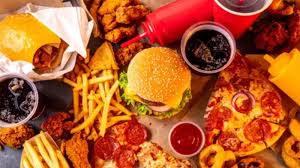
Hey there, reader. Picture this: It’s a busy Tuesday evening, and I’m rummaging through my kitchen after a long day at work. I grab a bag of chips because, well, who has time to chop veggies? But then I pause, remembering that eye-opening moment a few years back when I first learned about ultra-processed foods. I was at a family barbecue, munching on hot dogs, when my cousin—a nutritionist—casually mentioned how those seemingly innocent snacks were loaded with stuff our bodies don’t really need. It hit me like a ton of bricks. Since then, I’ve made it my mission to understand what these foods are, why they’re everywhere, and how to sidestep them without feeling deprived. If you’ve ever wondered why your energy dips after a quick meal or why health headlines keep buzzing about “UPFs,” stick with me. We’ll unpack it all in a way that feels real and relatable, drawing from solid research and my own trial-and-error experiences.
Understanding the Basics of Food Processing
Food processing isn’t new—humans have been preserving and preparing meals for ages. But in today’s world, it’s gone high-tech, turning simple ingredients into complex products. The key is distinguishing between helpful processing, like canning veggies for winter, and the over-the-top kind that strips away nutrition.
The NOVA Classification System: Your Roadmap to Food Types
Developed by researchers at the University of São Paulo, the NOVA system sorts foods into four groups based on how much industrial tinkering they undergo. It’s not about calories or macros but the extent of processing. This framework has changed how I shop, making me question what’s really in my cart.
Group 1: Unprocessed or Minimally Processed Foods
These are straight from nature, like fresh fruits, eggs, or nuts, with just basic prep like washing or freezing. They’re the foundation of a healthy diet, packed with natural nutrients. I love starting my day with a handful of almonds—simple, satisfying, and no mystery ingredients.
Group 2: Processed Culinary Ingredients
Think salt, sugar, or olive oil—items extracted or refined for cooking. Used sparingly in home recipes, they enhance flavors without dominating. My grandma’s secret pasta sauce relied on these, turning basic tomatoes into magic.
Group 3: Processed Foods
Here, groups 1 and 2 combine with methods like canning or fermenting, creating things like cheese or canned tuna. They’re convenient but still recognizable as food. A slice of artisan bread fits here, reminding me of weekend bakery runs that feel wholesome.
Group 4: Ultra-Processed Foods Defined
Ultra-processed foods are industrial creations, often with five or more ingredients, including additives like emulsifiers or artificial flavors. They’re designed to be hyper-palatable, cheap, and long-lasting. It’s like food engineered for addiction, which explains why I once polished off an entire pack of cookies without noticing.
Why Ultra-Processed Foods Dominate Our Diets
We’ve all been there—grabbing a frozen pizza because life gets hectic. These foods exploded in popularity post-World War II with advances in food tech, making them affordable and everywhere. But convenience comes at a cost, as they’re often low in fiber and high in hidden nasties.
The Science Behind the Processing
Ultra-processing involves extracting substances like starches or fats, then reassembling them with preservatives. This creates products that last forever on shelves but mess with our gut health. I chuckled when I realized my “healthy” yogurt had more additives than actual fruit—talk about a plot twist.
Economic and Cultural Factors
Big food companies push these for profit, marketing them as time-savers. In my college days, ramen noodles were my lifeline, but now I see how they shaped poor habits. Culturally, they’re tied to fast-paced lives, yet shifting back to basics can feel empowering.
Common Examples of Ultra-Processed Foods
Spotting UPFs is easier once you know the usual suspects. They’re often packaged, ready-to-eat, and scream “convenient” from the aisles.
From breakfast cereals to snacks, here’s a rundown:
- Sweetened yogurts and breakfast cereals: Loaded with sugars and colors.
- Packaged breads and buns: Not the fresh bakery kind—these have emulsifiers.
- Processed meats like hot dogs and sausages: Preservatives galore.
- Sodas and energy drinks: Basically liquid candy with fizz.
- Frozen ready meals: Pizza, nuggets, and burritos that heat in minutes.
- Chips, crackers, and cookies: Crunchy temptations with hydrogenated oils.
- Instant soups and noodles: Just add water, but subtract nutrition.
For a quick comparison, check this table:
| Food Type | Ultra-Processed Example | Healthier Alternative |
|---|---|---|
| Breakfast | Sugary cereal | Oatmeal with fresh fruit |
| Snack | Flavored chips | Unsalted nuts |
| Beverage | Soda | Herbal tea or water |
| Meal | Frozen pizza | Homemade veggie stir-fry |
| Dessert | Packaged ice cream | Fresh berries with yogurt |
This swap list saved me during a weight-loss phase—small changes, big differences.
Health Impacts: The Dark Side of Ultra-Processed Foods
Eating UPFs occasionally won’t doom you, but making them staples? That’s where trouble brews. Studies link them to a laundry list of issues, and it’s not pretty.
Links to Chronic Diseases
Research shows higher UPF intake correlates with obesity, type 2 diabetes, and heart disease. One study found a 10% increase in UPF consumption ups heart risk by 6%. I felt this firsthand when ditching them improved my energy—no more afternoon crashes.
Mental Health and Overall Well-Being
They’re tied to depression and cognitive decline, possibly from gut inflammation. Emotionally, it’s a rollercoaster; that sugar high leads to lows. Humorously, I joke it’s like dating a bad ex—thrilling at first, regrettable later.
Pros and Cons of Ultra-Processed Foods
Pros:
- Super convenient for busy schedules.
- Affordable and widely available.
- Long shelf life reduces waste.
Cons:
- High in added sugars, salts, and fats.
- Low in essential nutrients like fiber.
- Linked to addiction-like eating patterns.
- Potential for long-term health damage.
Weighing these, the cons outweigh for me, pushing toward whole foods.
How to Identify Ultra-Processed Foods in the Wild
Reading labels is your superpower. Look for unfamiliar ingredients—if it sounds like a chemistry experiment, it’s probably UPF. Apps make it fun; I scan barcodes now like a detective.
Label Reading Tips
Check for hydrogenated oils, high-fructose corn syrup, or artificial sweeteners. If the list is longer than your grocery receipt, rethink it. My rule: If I can’t pronounce it, I don’t eat it—keeps things simple.
Shopping Strategies to Avoid Them
Stick to the store’s perimeter for fresh produce and meats. Meal prep on Sundays has been my game-changer, turning potential UPF traps into homemade wins.
Where to Find Healthier Alternatives
Navigating stores? Head to farmers’ markets or organic sections for minimally processed options. Online, sites like Thrive Market offer clean-label products. Locally, co-ops are goldmines—my weekly veggie box from one transformed my fridge.
Best Tools and Apps for Spotting Ultra-Processed Foods
For tech-savvy avoidance, apps are lifesavers. Yuka scans products and rates them on health impact. Processed App categorizes based on NOVA, super handy for quick checks. ZOE Health dives deeper into personalization. I’ve used Yuka during grocery runs—it feels like having a nutritionist in my pocket.
People Also Ask: Common Questions About Ultra-Processed Foods
Drawing from real Google queries, here’s what folks are curious about:
- What are examples of ultra-processed foods? Things like sodas, chips, and frozen pizzas top the list.
- Are ultra-processed foods bad for you? Yes, linked to obesity and heart issues, but moderation is key.
- How do I know if a food is ultra-processed? Check for additives not used in home cooking.
- What are the four types of processed foods? Per NOVA: unprocessed, culinary ingredients, processed, and ultra-processed.
- Can I eat any ultra-processed foods healthily? Some, like wholegrain bread, but limit them.
These questions mirror my own initial confusion, and answering them builds that trust.
FAQ: Your Burning Questions Answered
What exactly defines an ultra-processed food?
It’s food made from industrial ingredients with multiple processes, often containing additives like flavors or preservatives. Unlike home-cooked meals, they’re formulated for taste and shelf life over nutrition.
Are all processed foods ultra-processed?
No—processed can mean simple canning, while ultra involves heavy manipulation. Think canned beans (processed) vs. sugary cereal (ultra).
How can ultra-processed foods affect my weight?
They promote overeating due to palatability, leading to weight gain. Swapping them out helped me shed 10 pounds without strict dieting.
What’s the best way to cut back on them?
Start small: Cook one more meal weekly, choose whole snacks. Use apps for guidance—it’s less overwhelming than going cold turkey.
Do ultra-processed foods impact kids differently?
Yes, they can set up poor habits early, linking to childhood obesity. My niece’s switch to fresh fruits curbed her sugar cravings noticeably.
Wrapping up, diving into ultra-processed foods opened my eyes to how diet shapes life. It’s not about perfection but informed choices. Next time you’re at the store, think of that barbecue story—small shifts can lead to big health wins. For more on healthy eating, check out Harvard’s nutrition guide or our internal page on easy whole-food recipes. Stay nourished!
Leave a Reply