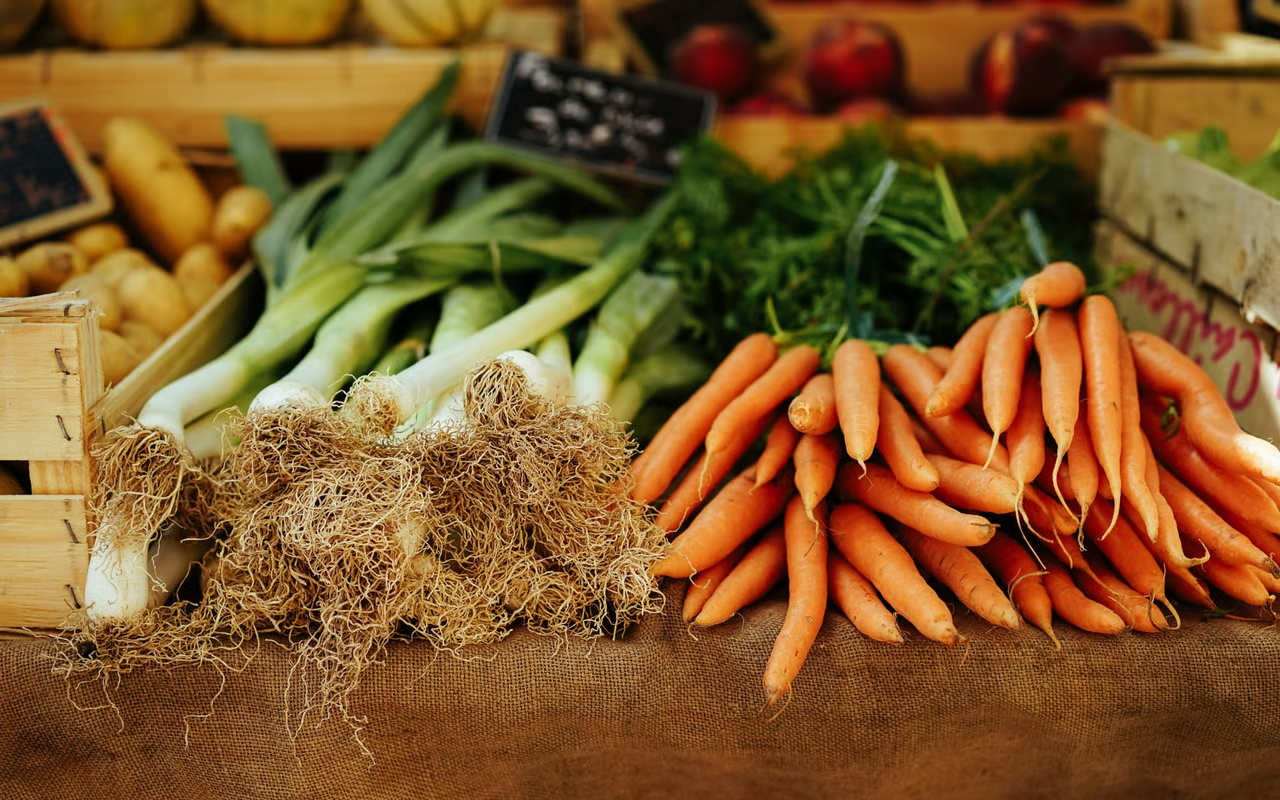
Hey there, friend. Imagine this: It’s a crisp autumn morning, and you’re out in your backyard, hands deep in cool soil, pulling up carrots that taste like they just fell from heaven. No grocery store middleman, no mystery chemicals—just you, the earth, and a quiet satisfaction that hits deeper than any weekend project. That’s where my own journey into hobby farming kicked off about five years ago. I was a desk-jockey in the city, staring at spreadsheets, dreaming of something real. One impulsive weekend at a local farm stand changed everything. I bought a packet of seeds, a couple of chickens, and suddenly, I was hooked. If you’re standing at that same crossroads—curious about starting a hobby farm but wondering where to plant your first flag—this is for you. We’ll walk through it step by step, from the dirt under your nails to the first harvest in your basket.
What Is Hobby Farming?
Hobby farming isn’t about turning your backyard into a cash cow—it’s about reclaiming a slice of that slower, earthier life we all secretly crave. Think small-scale setups, usually under 10 acres, where you’re growing veggies, raising a handful of chickens, or tending bees not for profit, but for the sheer joy of it. It’s the difference between a full-blown commercial operation and your personal patch of paradise. In my case, it started with a tiny plot in my suburban yard before I upgraded to a couple of acres upstate. No pressure to pay the bills, just the thrill of watching things grow. According to the USDA, these setups make up nearly 40% of U.S. farms, proving you’re far from alone in this pull toward the soil.
But here’s the heart of it: Hobby farming feeds your soul as much as your table. It’s therapeutic, like therapy with a trowel. Studies from places like the American Psychological Association back this up—working the land lowers stress hormones and boosts endorphins. I remember my first summer, knee-deep in weeds, cursing under my breath, but by sunset, I felt lighter than I had in years. It’s not all poetry, though; it’s real work that rewards patience and a bit of grit.
Why Start a Hobby Farm as a Beginner?
You might be scrolling this on your lunch break, picturing a escape from the grind, or maybe you’re already eyeing that empty lot next door. Whatever sparked it, starting a hobby farm as a beginner is about dipping your toes into self-sufficiency without drowning in debt or doubt. It’s a gateway to fresher food, family bonding, and that rare feeling of accomplishment when you bite into something you nurtured from seed. For me, it was a way to teach my kids where food comes from—watching their eyes light up over fresh eggs is worth every splintered fence post.
The appeal is timeless, but it’s booming now. Post-pandemic, searches for “hobby farming for beginners” spiked 300%, per Google Trends, as folks sought connection to nature amid uncertainty. It’s not just trendy; it’s practical. You save on groceries, learn resilience, and build skills that last. But let’s be honest—it’s not for the faint of heart. It demands time and a willingness to fail forward, like the time I overplanted tomatoes and ended up with more green sauce than I could gift. Still, that learning curve? It’s what makes the wins so sweet.
Pros and Cons of Hobby Farming
Diving into hobby farming feels like signing up for an adventure with no map—exciting, but full of surprises. On the upside, it’s a stress-buster that gets you moving; think digging beds instead of doom-scrolling. You’ll eat better, save money long-term, and foster a deeper bond with your patch of earth. My neighbor, a retired teacher, swears her garden chickens are better than any therapist. But the downsides? Weather whims can wipe out a crop overnight, and pests don’t send RSVPs. Upfront costs for tools or fencing can sting, and if you’re not careful, it turns into a second job. Weighing these keeps expectations real—it’s a hobby, after all, not a hassle.
To break it down clearer, here’s a quick pros and cons list:
| Aspect | Pros | Cons |
|---|---|---|
| Health & Wellness | Fresh produce boosts nutrition; outdoor work fights sedentary habits | Physical strain from bending/lifting; exposure to allergens or sun |
| Financial | Cuts grocery bills; potential side income from eggs/honey | Initial setup costs (fencing, tools); no tax breaks like commercial farms |
| Lifestyle | Builds community at markets; teaches kids responsibility | Time-intensive; unpredictable weather disrupts plans |
| Environment | Promotes sustainability; reduces food miles | Risk of overuse depleting soil if not managed |
This table’s my go-to reminder: Balance the bliss with the bite, and you’ll thrive.
Choosing the Right Land for Your Hobby Farm
Picking land is like choosing a partner—you want compatibility from the jump. For beginners, aim for 1-5 acres; enough space for a garden, coop, and maybe goats, without overwhelming you. Scout for good soil (loamy, not rocky), decent drainage, and southern exposure for sun-loving crops. I learned the hard way with my first plot—too shady, and my lettuce bolted like it was fleeing a bad date. Check zoning laws too; some areas cap livestock at six birds. Tools like USDA’s Web Soil Survey (free online) help map it out.
Budget-wise, expect $5,000-$20,000 per acre depending on location, but start small if funds are tight. Visit at different times—dawn for noise, rain for flood risk. My advice? Walk it barefoot. Feel the ground; it’ll tell you secrets numbers can’t. Once settled, test soil pH (aim for 6.0-7.0) and amend as needed. This foundation sets you up for yields that make the hassle fade.
Essential Tools and Equipment for Beginners
No one starts with a shiny new tractor—beginners need basics that punch above their weight. A sturdy wheelbarrow, shovel, hoe, and pruners form your core kit; they’re versatile for digging, hauling, and tidying. Add gloves to save your hands from blisters I still remember. For power, a cordless drill and circular saw handle coop builds or trellises. I splurged on a walk-behind tiller early on—it turned my back-breaking prep into a breeze.
Budget $500-1,000 initially, focusing on quality over quantity. Here’s a starter list in bullets:
- Hand Tools: Trowel set for planting; watering can for precision.
- Power Essentials: Battery-powered drill ($100) for quick fixes; hedge trimmer for overgrowth.
- Livestock Gear: Fencing pliers and post driver for secure runs.
- Garden Aids: Compost bin to recycle waste; rain barrel for eco-watering.
Where to buy? Local co-ops like Tractor Supply for deals, or online at Hobby Farms Marketplace for niche finds. Farmer Boy Ag’s got affordable poultry houses too. Start lean; you’ll add as you grow.
Best Beginner-Friendly Crops and Livestock
Ease in with forgiving starters—nothing kills momentum like a flop. Crops like lettuce, radishes, and zucchini mature fast (30-60 days) and tolerate newbie errors. Beans fix nitrogen, improving soil gratis. For livestock, chickens top the list: Low-cost ($20/chick), they yield eggs weekly and till gardens naturally. Ducks follow for pest control; goats if you crave milk but can handle mischief.
Compare options in this table for quick picks:
| Type | Beginner Pick | Why It Works | Yield Potential |
|---|---|---|---|
| Crops | Radishes | Quick harvest; minimal space | 1 lb/sq ft/month |
| Crops | Cherry Tomatoes | Disease-resistant; prolific | 10-20 lbs/plant |
| Livestock | Chickens | Easy feed; dual-purpose (eggs/meat) | 200+ eggs/year/bird |
| Livestock | Rabbits | Compact; fast breeders | 40-50 lbs meat/year |
My first flock? Six hens named after herbs—pure comedy when they’d escape. Source chicks from McMurray Hatchery or local feed stores. Rotate crops to dodge pests; it’s rotation, not repetition, that builds bounty.
Common Mistakes and How to Avoid Them
Beginners trip over the same roots I did—overambition’s the biggest culprit. Planting everything at once led to my tomato jungle takeover; start with three crops max. Another pitfall: Skipping soil tests. I dumped fertilizer blindly once, burning roots like overcooked toast. Test via your local extension office for $20—it’s your cheat code.
Pest neglect bites hard too; ignore aphids, and they party. Scout daily, use neem oil early. And don’t skimp on fencing—my escaped goat once mowed the neighbor’s prize roses. Budget for sturdy wire from the start. Light humor: Chickens are feathered vacuums; secure coops or kiss your garden goodbye. Track everything in a journal; patterns emerge, saving future headaches. Patience is your superpower—farming’s a marathon, not a sprint.
Real-Life Success Stories from Hobby Farmers
Stories fuel the fire, don’t they? Take Sarah from Vermont, who traded city stress for a 2-acre plot. Starting with bees and berries, she now sells honey at markets, netting $2,000 yearly while keeping her day job. “It’s my reset button,” she says. Or Jim in Massachusetts, post-retirement, who built Red Shirt Farm into a CSA gem—sharing veggies and stories via farm tours. His tip? “Focus on flavor; customers return for taste.”
Closer to home, my buddy Tom began with a chicken coop during lockdown. One flock became five; now he barters eggs for tools, building community one carton at a time. These tales echo a truth: Success blooms from passion, not perfection. Read more in Hobby Farms’ profiles—they’re gold for inspiration.
People Also Ask: Common Questions on Hobby Farming
Google’s “People Also Ask” shines light on curiosities like yours. Here’s a roundup with straightforward answers, pulled from real searches.
What is the difference between a hobby farm and a homestead?
A hobby farm leans recreational—think fun with a side of food—while homesteading pushes self-sufficiency, aiming to produce most needs off-grid. Mine’s a hybrid: Chickens for joy, garden for meals.
How much land do you need for a hobby farm?
One to five acres suits beginners; chickens thrive on a quarter-acre, veggies on less. Scale to your time—overdo it, and burnout looms.
Can you make money from a hobby farm?
Sure, but it’s supplemental: Sell eggs ($4/dozen) or crafts. Aim for $1,000-5,000/year without losing the hobby vibe. Check IRS rules for “hobby loss” limits.
What animals are best for a small hobby farm?
Chickens for eggs, rabbits for meat—low space, high return. Avoid cows initially; they’re divas needing acres.
How do I start a hobby farm on a budget?
Bootstrap with seeds ($2/pack), used coops from Craigslist, and free mulch from locals. Total under $500—grow from there.
These queries mirror my early googles; answers evolve with experience.
FAQ: Your Top Questions Answered
Got lingering doubts? Here’s the scoop on real user queries I’ve fielded or seen pop up.
Q: What’s the easiest way to start hobby farming with no experience?
A: Begin with a raised bed garden—$50 kit from Home Depot—and a book like Hobby Farming For Dummies. Add two chickens once comfy. Hands-on beats theory every time.
Q: How do I handle pests without chemicals?
A: Companion planting (marigolds repel nematodes) and ladybugs ($10/1,000 online) work wonders. I swear by row covers—cheap cheesecloth saves salads.
Q: Is hobby farming worth it for families?
A: Absolutely—kids learn empathy feeding goats, and family meals taste better shared-grown. Just set boundaries; it’s play, not chore overload.
Q: Where can I learn more locally?
A: Join 4-H clubs or your county extension—free workshops on grafting or composting. Farmers’ markets double as networking gold.
Q: Can I hobby farm in a suburban yard?
A: Yep, if zoning allows (check city hall). Container veggies and balcony coops fit; my urban start proved size isn’t everything.
Wrapping Up: Your First Steps into the Dirt
So, here we are at the end—or really, your beginning. Hobby farming isn’t a checklist; it’s a conversation with the land, one muddy boot at a time. From my spreadsheet days to sunset weeding, it’s taught me joy hides in the grit. Grab a shovel, chat with a neighbor farmer, and plant that seed. You’ve got this. What’s your first move? Drop a comment—I’d love to cheer you on.
Leave a Reply