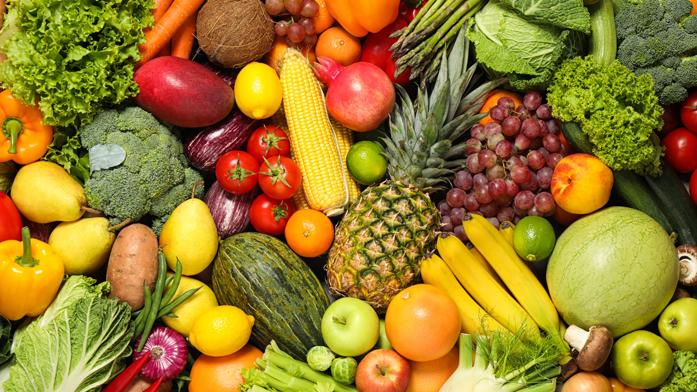
Remember that time I decided to ditch my fast-food habit and load up on greens? It started as a New Year’s whim, but within weeks, I felt sharper, lighter, and oddly more optimistic about life. Turns out, packing your plate with vegetables isn’t just about chasing trends—it’s a game-changer for your body. If you’ve ever wondered why nutritionists rave about broccoli and kale, stick around. We’re diving into the real perks of a veggie-heavy lifestyle, backed by solid science and a dash of my own trial-and-error tales.
What Is a Vegetable-Filled Diet?
Picture this: half your plate bursting with colorful veggies like spinach, carrots, and bell peppers, instead of the usual carb overload. A vegetable-filled diet emphasizes plants as the star, aiming for at least five servings a day while keeping processed foods at bay. It’s not about going full vegan overnight—think adding a salad to lunch or swapping fries for roasted zucchini. From my experience, it made meals feel fresher and more satisfying without the post-dinner slump.
The Nutritional Foundation of Vegetables
Vegetables are like nature’s multivitamin, crammed with essentials that keep your body humming. They’re low in calories but high in water content, making them perfect for feeling full without overeating. Studies show that diets rich in these powerhouses supply fiber, vitamins, and minerals that fend off deficiencies and support overall vitality. Who knew something as simple as a carrot could pack such a punch?
Essential Vitamins and Minerals in Veggies
Take vitamin C from bell peppers or potassium from sweet potatoes—these nutrients regulate everything from blood pressure to muscle function. Dark leafy greens like kale offer iron and calcium, crucial for energy and bone strength. I once battled low energy until I upped my spinach intake; suddenly, my afternoons didn’t drag anymore. It’s amazing how these micronutrients quietly work behind the scenes to keep you going strong.
The Role of Fiber and Antioxidants
Fiber acts as a gut scrubber, promoting smooth digestion and steady blood sugar levels. Antioxidants, those free-radical fighters in berries and tomatoes (yes, tomatoes count as veggies in meals), protect cells from damage that leads to aging and disease. When I started blending smoothies with beets and greens, my skin cleared up—proof that these compounds aren’t just hype. They truly shield your body like an invisible force field.
Major Health Benefits of a Vegetable-Rich Diet
Loading up on veggies transforms your health in ways you might not expect. Research from Harvard and the WHO highlights reduced risks for chronic issues, thanks to their anti-inflammatory properties. It’s not magic; it’s the synergy of nutrients working together. Imagine trading fatigue for focus— that’s what happened to me after a month of veggie-packed stir-fries.
Heart Health: Lowering Blood Pressure and Cholesterol
Vegetables help arteries stay flexible and clear, cutting heart disease risk by up to 20%. Potassium-rich options like broccoli balance sodium, easing pressure on your ticker. My uncle, a former skeptic, saw his cholesterol drop after adding salads daily—doctors were impressed. It’s a simple swap that could add years to your life without popping pills.
Weight Management and Metabolic Boost
With their high fiber and low calories, veggies fill you up, making portion control effortless. They stabilize blood sugar, curbing cravings that lead to overeating. I lost 10 pounds effortlessly by veggie-fying my dinners; no starving involved. For anyone tired of yo-yo diets, this approach feels sustainable and kind to your body.
Digestive Wellness: From Gut Health to Regularity
Fiber in veggies feeds good bacteria, fostering a balanced microbiome that aids absorption and fights bloating. Cruciferous types like cabbage break down toxins, easing IBS symptoms for many. Remember my fast-food phase? Switching to veggie soups fixed my irregular digestion overnight—humorously, it was like my gut threw a party. Regularity becomes a non-issue with consistent intake.
Immunity Enhancement: Fighting Off Illnesses
Loaded with vitamin C and beta-carotene, veggies amp up white blood cells to ward off colds and infections. During flu season, I stock up on carrots and peppers; it’s kept me sniffle-free more often than not. Studies link higher veggie consumption to fewer sick days, proving they’re your body’s natural defense squad.
Cancer Prevention: Antioxidant Protection
Phytochemicals in colorful veggies neutralize carcinogens, potentially slashing risks for colon and breast cancers. The variety matters—mix reds, greens, and yellows for broad coverage. A friend battling family history credits her veggie habit for peace of mind; research backs it up. It’s emotional knowing food can be a proactive shield.
Mental Health and Brain Function
Omega-3s and folate in leafy greens support mood stability and cognitive sharpness, reducing depression risks. I noticed clearer thinking after ditching junk for salads—less brain fog, more creativity. It’s touching how something as earthy as a beet can lift your spirits and keep your mind agile into old age.
Eye Health and Vision Support
Carotenoids in carrots and spinach protect against macular degeneration, keeping vision crisp. As someone who stares at screens all day, adding these saved me from dry eyes. It’s a small habit with big payoffs for long-term sight.
Skin Glow and Anti-Aging Effects
Hydration from cucumbers and antioxidants from tomatoes combat wrinkles and promote collagen. My skin transformed from dull to radiant with daily veggie juices—friends asked for my “secret.” Aging gracefully starts on your plate, not in a bottle.
Comparing Vegetable-Rich Diets to Standard Ones
A veggie-focused diet outshines the average American fare in nutrient density and disease prevention. Standard diets often lack fiber, leading to higher obesity rates, while veggie ones promote longevity. Think of it as upgrading from economy to first-class for your health.
| Aspect | Vegetable-Rich Diet | Standard Diet |
|---|---|---|
| Nutrient Intake | High in vitamins, fiber, antioxidants | Often deficient, reliant on processed foods |
| Disease Risk | Lower for heart issues, diabetes, cancer | Higher due to excess sugars and fats |
| Energy Levels | Sustained and steady | Prone to crashes from refined carbs |
| Weight Control | Easier with satiety | Harder, with calorie-dense options |
| Cost | Affordable long-term via markets | Can be cheaper short-term but health costs add up |
Pros and Cons of Embracing a Vegetable-Filled Lifestyle
Pros:
- Boosts overall vitality and reduces medical bills over time.
- Environmentally friendly, supporting sustainable farming.
- Versatile flavors keep meals exciting—no boredom here.
- Emotional uplift from feeling proactive about health.
Cons:
- Initial prep time might feel overwhelming for busy folks.
- Some veggies can cause gas if introduced too quickly—start slow.
- Organic options can pinch the wallet, though conventional work fine.
- Social challenges at meat-heavy gatherings, but creativity helps.
How to Start Your Vegetable Journey
Ease in by aiming for one extra serving per meal—roast them for flavor. Experiment with recipes to avoid monotony; I love grilled asparagus with lemon. Track progress with a journal; it keeps motivation high.
Practical Tips for Daily Incorporation
- Sneak veggies into smoothies or omelets for breakfast wins.
- Prep batches on weekends to grab-and-go during the week.
- Use spices and herbs to make them irresistible—who resists garlic broccoli?
- Involve family for support; my kids now beg for carrot sticks.
Best Tools for Preparing Vegetables
For effortless integration, grab a good blender like the Vitamix for soups and smoothies—it’s a game-changer. A spiralizer turns zucchini into fun noodles, perfect for low-carb twists. Steamers preserve nutrients better than boiling; check out options on Amazon for budget picks.
Where to Source Fresh Vegetables
Farmers’ markets offer seasonal gems at fair prices—find yours via LocalHarvest.org. Community Supported Agriculture (CSA) boxes deliver straight from farms; sign up at sites like Farmigo. Grocery chains like Whole Foods stock organics, but don’t overlook local co-ops for affordability.
People Also Ask
Based on common Google queries, here are real questions folks search about veggie benefits.
What are 5 benefits of eating vegetables?
Improved heart health, better weight control, stronger immunity, enhanced digestion, and reduced cancer risk top the list. They’re simple yet profound changes from daily habits.
What happens to your body when you eat vegetables every day?
Your energy stabilizes, skin glows, and risks for chronic diseases drop as nutrients flood in. I felt the shift personally—more pep, fewer aches.
Are vegetables good for weight loss?
Absolutely, thanks to low calories and high fiber that curb hunger. Pair with activity for best results; it’s how I shed those stubborn pounds.
Which vegetables are the healthiest?
Leafy greens like spinach, cruciferous broccoli, and colorful peppers rank high for nutrient density. Variety ensures you cover all bases.
How many vegetables should I eat daily?
Aim for at least 2-3 cups, per USDA guidelines, but more is better for optimal health.
FAQ
Can a vegetable-filled diet replace supplements?
Often yes, as it provides natural vitamins, but consult a doctor for specifics like B12 if vegan. I skipped multis after blood tests showed I was covered.
Is it expensive to eat more vegetables?
Not really—seasonal buys and frozen options keep costs low. My weekly bill dropped once I cut processed snacks.
What if I don’t like vegetables?
Start with milder ones like cucumbers, then build flavors with dressings. I hated Brussels sprouts until roasting them with balsamic—now they’re a fave.
Do cooked vegetables lose benefits?
Some nutrients dip, but others like lycopene in tomatoes increase. Mix raw and cooked for balance; steaming is gentle.
Can kids benefit from this diet too?
Definitely—it sets healthy habits early, boosting growth and focus. My niece turned picky to veggie-lover with fun shapes and dips.
Wrapping up, embracing vegetables isn’t a chore—it’s an investment in a vibrant life. From my own story to the science, the payoffs are clear. Start small, stay consistent, and watch your health bloom. For more on balanced eating, check Harvard Health’s plant-based guide. Or explore our site for veggie recipe ideas.
Leave a Reply