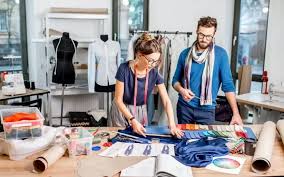
Hey there, if you’re reading this, chances are you’ve got a spark for style that goes beyond picking out outfits from your closet. Maybe you’ve doodled dresses on napkins or dreamed of seeing your creations on a runway. I get it—fashion pulled me in the same way back when I was a kid, flipping through my grandma’s old Vogue magazines and imagining myself as the next big name. But let’s be real: diving into fashion design is like stepping into a whirlwind of creativity, chaos, and endless possibilities. In this article, we’ll unpack what fashion really means, walk through the nitty-gritty of the design process, and explore the career paths that could turn your passion into a paycheck. Stick around; by the end, you might just feel ready to thread that needle.
What is Fashion Design?
Fashion design is more than just pretty clothes; it’s the art of blending creativity with functionality to create wearable pieces that tell a story or solve a problem. Think about how a simple jacket can make you feel invincible on a chilly day— that’s design at work. It’s about understanding trends, materials, and people, turning abstract ideas into something tangible that influences culture and self-expression.
The Evolution of Fashion Design
Fashion has come a long way from the tailored suits of the Victorian era to today’s sustainable streetwear. I once visited a museum exhibit on 1920s flapper dresses, and it hit me how each era’s designs reflected societal shifts, like women’s liberation through looser silhouettes. Today, with fast fashion and eco-conscious movements, designers are pushing boundaries to make style more inclusive and planet-friendly.
The Fashion Design Process
The design process is like baking a cake—you need the right ingredients, steps, and a bit of magic to make it rise. It’s not always linear; sometimes you loop back when a fabric doesn’t cooperate. But mastering it can turn your wild ideas into runway-ready realities, and trust me, the thrill of seeing your sketch come alive is worth every late-night revision.
Step 1: Research and Inspiration
Every great design starts with curiosity. Designers scour magazines, travel, or even people-watch to gather ideas, building mood boards that capture colors, textures, and vibes. I recall my first mood board for a summer collection—it was a mess of beach photos and floral prints, but it sparked the theme that landed me my internship.
Step 2: Sketching and Conceptualization
Once inspired, grab a pencil and let ideas flow. Sketches evolve from rough doodles to detailed illustrations, often using tools like Adobe Illustrator for precision. It’s fun, but frustrating when your hand doesn’t match your brain—kind of like trying to describe a dream before it fades away in the morning.
Step 3: Fabric Selection and Prototyping
Choosing fabrics is where magic meets practicality; you test swatches for drape and durability. Then comes prototyping—sewing a muslin mockup to check fit. One time, I picked a silky material that slipped everywhere, teaching me the hard way that not every pretty fabric plays nice.
Step 4: Refinement and Production
Adjust the prototype based on fittings, then create tech packs with specs for manufacturers. Production scales it up, but watch for quality control. It’s satisfying to see multiples of your design, though the first batch always feels like sending your kid off to school—nerve-wracking but proud.
- Key Steps in the Design Process:
- Research trends and gather inspiration from diverse sources.
- Sketch initial concepts and refine them digitally.
- Select materials that align with your vision and budget.
- Prototype and iterate based on feedback.
- Finalize for production, ensuring scalability.
Career Opportunities in Fashion
Fashion isn’t just for the spotlight; it’s a vast industry with roles for creatives, business minds, and tech wizards. Whether you’re sketching gowns or crunching sales numbers, there’s a spot for you. I started as an assistant designer, fetching coffee and fabrics, but it opened doors I never imagined—like collaborating on a sustainable line that felt truly impactful.
Traditional Roles: Fashion Designer and Stylist
As a designer, you create collections for brands or your own label, blending art with commerce. Stylists curate looks for shoots or clients, needing an eye for trends. Both demand creativity, but stylists often deal with the glamour side, like red-carpet magic—though the pay can vary wildly.
Emerging Paths: Sustainable Design and Digital Fashion
With eco-awareness rising, sustainable designers focus on ethical materials and zero-waste techniques. Digital fashion, like virtual clothing for avatars, is booming thanks to NFTs and metaverses. It’s exciting; I dabbled in 3D modeling and felt like I was designing for the future, minus the sewing pins.
Business-Oriented Careers: Buyer and Merchandiser
Buyers select inventory for stores, predicting what sells, while merchandisers plan displays to boost sales. These roles mix intuition with data—think spreadsheets with a side of style. If numbers don’t scare you, this could be your jam, offering stability in a flashy field.
Here’s a comparison table of popular fashion careers:
| Career Path | Key Skills Required | Average Salary (USD) | Work Environment |
|---|---|---|---|
| Fashion Designer | Creativity, sketching, sewing | $70,000 | Studios, freelance |
| Textile Designer | Pattern design, material knowledge | $65,000 | Mills, design firms |
| Fashion Buyer | Trend analysis, negotiation | $75,000 | Retail offices |
| Stylist | Styling, networking | $60,000 | Sets, events |
Pros and Cons of a Fashion Career:
- Pros:
- Endless creativity and self-expression.
- Opportunities to travel for shows or sourcing.
- Potential for fame or starting your own brand.
- Diverse roles to fit different personalities.
- Cons:
- Long hours, especially during fashion weeks.
- Competitive job market with entry-level grind.
- Unpredictable income for freelancers.
- Pressure to stay ahead of fast-changing trends.
Best Tools for Fashion Design
To bring ideas to life, you’ll need the right gear— from sketchpads to software. Beginners might start simple, but pros swear by digital tools for efficiency. I remember upgrading to CLO 3D; it was a game-changer, letting me visualize fits without wasting fabric.
Digital Tools: Software Essentials
Adobe Illustrator tops the list for vector sketches and tech packs. CLO 3D offers 3D modeling for virtual prototypes, reducing costs. Other favorites include Browzwear for simulations and Optitex for pattern making—perfect for transactional needs like building your toolkit.
Physical Tools: Must-Haves for Hands-On Work
French curves, pattern paper, and quality shears are basics. A dress form helps with draping, while a sewing machine speeds up prototypes. Don’t forget measuring tapes and pins; they’re your best friends during fittings.
- Top Tools for Beginners:
- Sketchbook and colored pencils for ideation.
- Basic sewing kit with needles and threads.
- Free software like Inkscape as an Illustrator alternative.
For more on tools, check out this guide to fashion design software or our internal page on /essential-fashion-tools.
Where to Study Fashion Design
If you’re serious, formal education can give you an edge with skills and connections. Look for programs blending theory with hands-on projects. I attended a local college course that hooked me up with mentors—best decision ever.
Top Schools in the US
Parsons School of Design in New York offers cutting-edge programs with industry ties. FIT (Fashion Institute of Technology) is affordable and practical. For West Coast vibes, Otis College in LA focuses on sustainable design.
International Options
Central Saint Martins in London has produced stars like Alexander McQueen. Polimoda in Italy emphasizes craftsmanship. Online platforms like Coursera offer flexible courses if you’re not ready for full-time study.
For details, visit Parsons’ website or explore our /best-fashion-schools-guide.
People Also Ask
Based on common Google searches, here are real questions people ask about fashion design:
What skills do you need to be a fashion designer?
You need creativity, drawing ability, and sewing basics, plus business smarts for marketing your work. Soft skills like communication help in team settings.
How do I start fashion designing at home?
Begin with free online tutorials, practice sketching, and experiment with upcycled clothes. Build a portfolio to showcase your growth.
Is fashion design a good career?
Yes, if you love it—it’s rewarding but competitive. Salaries average $70,000, with room for growth in niche areas like sustainability.
What are the 5 stages of the fashion design process?
They include research, sketching, prototyping, refinement, and production—each building on the last for a cohesive outcome.
FAQ
How long does it take to become a fashion designer?
It varies; a degree takes 2-4 years, plus internships. Many start assisting right away, building experience over 5-10 years.
What is the average salary for fashion careers?
Entry-level roles start at $40,000, while experienced designers earn $70,000+. Buyers and merchandisers often hit $75,000.
Do I need a degree for fashion design?
Not always—talent and portfolio matter more. But degrees from places like FIT provide structure and networks.
What are emerging trends in fashion careers?
Sustainability and digital design are hot, with roles in eco-materials and virtual fashion growing fast.
How competitive is the fashion industry?
Very—networking and unique style help stand out. Start small, like freelancing, to build momentum.
Wrapping up, fashion design is a journey of self-discovery wrapped in fabric and flair. Whether you’re eyeing the design process or scouting career ops, remember: every icon started with a single stitch. If my ramblings inspired you, grab that sketchbook and start creating. Who knows? Your design might just be the next big thing.
Leave a Reply