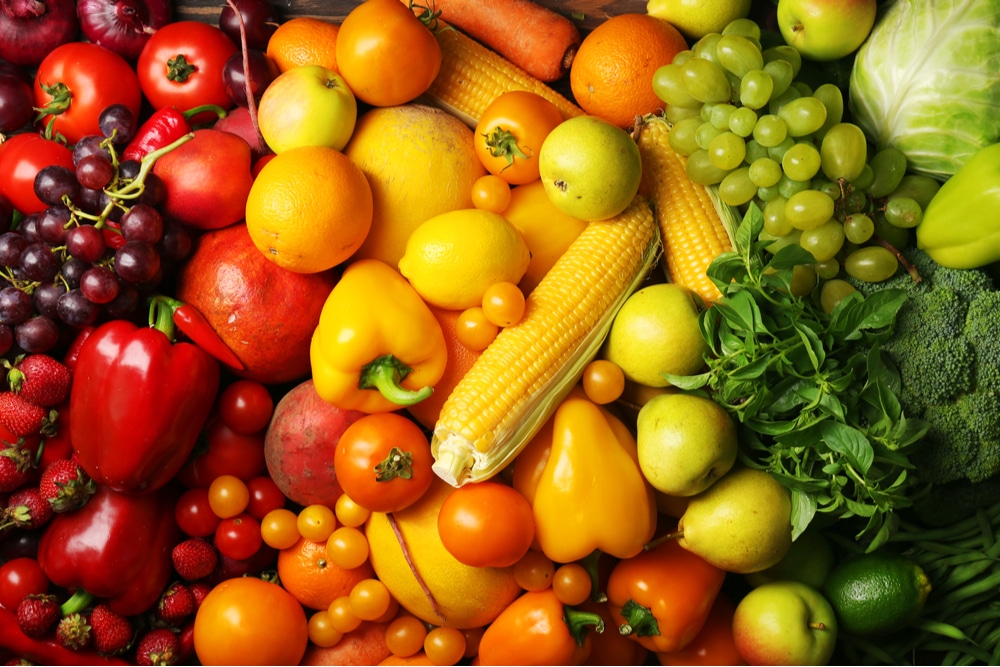
I’ll never forget the summer I decided to overhaul my eating habits. I was feeling sluggish after a busy work season, and a friend challenged me to eat at least five servings of fruits and veggies a day. At first, it seemed daunting—like, who has time to chop all that? But within a week, I had more energy, my skin cleared up, and I even lost a few pounds without trying. That personal shift made me a believer in the power of produce. Now, every September, I get excited about Fruits & Veggies – More Matters Month because it’s a reminder for all of us to make those small changes that add up to big health wins. This campaign isn’t just another awareness month; it’s a fun nudge to fill our plates with nature’s best and feel amazing doing it.
What is Fruits & Veggies – More Matters Month?
Fruits & Veggies – More Matters Month is an annual celebration held every September to encourage people to boost their intake of fresh produce. It’s all about highlighting how simple additions like an extra apple or handful of spinach can transform your health. Sponsored by the Produce for Better Health Foundation, the month promotes practical ways to make fruits and vegetables a bigger part of daily meals. Think of it as a gentle push to rethink your plate and prioritize nutrient-packed foods over processed snacks.
The History Behind the Campaign
The campaign traces its roots back to the 1990s with the “5 A Day” initiative, which aimed to get Americans eating at least five servings of fruits and veggies daily. By 2007, it evolved into Fruits & Veggies – More Matters to emphasize that even more than five is better for optimal health. This shift came from research showing most people weren’t meeting basic guidelines, so the focus turned to motivation and education. Today, it’s part of the broader Have A Plant movement, inspiring families, schools, and communities to embrace produce year-round.
Why More Really Matters for Your Health
Eating more fruits and vegetables isn’t just trendy advice—it’s backed by science showing reduced risks for heart disease, diabetes, and certain cancers. They’re low in calories but high in fiber, vitamins, and antioxidants that keep your body running smoothly. Personally, when I upped my intake, I noticed fewer cravings for junk food, which made sticking to healthier choices easier. It’s like giving your body premium fuel instead of the cheap stuff that leaves you sputtering.
Key Health Benefits Breakdown
Fruits and veggies pack a punch with essential nutrients that support everything from immune function to weight management. For instance, the fiber helps with digestion and keeps you full longer. They also provide phytonutrients that fight inflammation and protect cells. Adding them regularly can even improve mood—ever feel that post-salad glow?
Here’s a quick table of top benefits:
| Benefit | How Fruits & Veggies Help | Examples |
|---|---|---|
| Heart Health | Lower cholesterol and blood pressure with potassium-rich options | Bananas, spinach, berries |
| Weight Control | Low-calorie density means more volume without extra calories | Apples, carrots, broccoli |
| Immune Boost | Vitamin C and antioxidants strengthen defenses | Oranges, bell peppers, kale |
| Disease Prevention | Reduce risk of chronic illnesses like diabetes | Tomatoes, grapes, leafy greens |
This table shows why variety matters—mixing colors ensures a full spectrum of nutrients.
Comparing Fruits and Vegetables: Which to Prioritize?
Fruits and vegetables both shine in nutrition, but they offer slightly different perks that complement each other perfectly. Fruits tend to be sweeter and higher in natural sugars for quick energy, while veggies are often lower in calories and richer in minerals. I love balancing them—like pairing a sweet pear with crunchy celery for a satisfying snack. Neither is “better,” but together they create a powerhouse duo for overall wellness.
Pros and Cons of Fresh vs. Frozen Produce
Fresh produce feels vibrant and farm-to-table, but frozen options lock in nutrients at peak ripeness for year-round access. Pros of fresh: Better texture for salads and often more flavorful when in season. Cons: Shorter shelf life and higher cost out of season. Frozen pros: Convenient, affordable, and just as nutritious; cons: Can get mushy if overcooked.
- Pros of Eating More Produce Overall:
- Boosts energy without crashes.
- Improves skin and hair health naturally.
- Supports mental clarity and reduces stress.
- Cons (If Any):
- Initial adjustment if you’re not used to the fiber—start slow to avoid tummy troubles.
- Prep time can feel like a chore, but batch chopping helps.
- Some fruits like bananas spoil quickly, so plan your shopping.
How to Incorporate More Fruits and Veggies Daily
Getting started is easier than you think—just aim to add one extra serving per meal and build from there. I began by blending spinach into smoothies, which tricked my taste buds into loving greens. Small swaps like veggie sticks instead of chips make a huge difference. Before long, you’ll crave that fresh crunch.
Here are some practical tips:
- Sneak veggies into sauces or soups for hidden nutrition.
- Keep cut fruits in the fridge for grab-and-go snacks.
- Experiment with roasting—brings out sweetness in carrots or Brussels sprouts.
- Use herbs and spices to jazz up plain salads without extra calories.
- Involve kids by letting them pick colorful options at the store.
Delicious Recipes to Celebrate the Month
Whipping up simple recipes is my favorite way to honor this month, turning everyday meals into something exciting. Try a rainbow salad with mixed greens, berries, and nuts for a burst of flavors. Or grill zucchini and peaches for a sweet-savory twist. These ideas keep things fun and prevent boredom.
For a quick one: Mix chopped apples, celery, and walnuts with yogurt for a crunchy Waldorf-inspired snack. It’s ready in minutes and feels indulgent.
Where to Get Fresh Fruits and Veggies
Head to local farmers’ markets for the freshest picks—many run through fall and offer seasonal gems like heirloom tomatoes. Community-supported agriculture (CSA) boxes deliver right to your door for convenience. Grocery stores with organic sections are great too. Check out USDA’s farmers market directory for spots near you.
If you’re into online options, services like Imperfect Foods rescue “ugly” produce at a discount, reducing waste while saving money.
Best Tools for Tracking and Prepping Produce
To make healthy eating stick, apps like MyFitnessPal help log your daily servings and suggest recipes. For kitchen gadgets, a good spiralizer turns zucchini into noodles for fun meals. Invest in a quality blender for smoothies or a veggie chopper to cut prep time. These tools make the process enjoyable rather than a hassle.
People Also Ask
What is Fruits & Veggies – More Matters Month?
It’s a September campaign promoting increased consumption of fruits and vegetables for better health outcomes. Focused on education and fun activities, it encourages small daily changes. The goal is to help people meet or exceed dietary guidelines.
Why should I eat more fruits and vegetables?
More produce lowers disease risks, aids weight management, and boosts energy with vital nutrients. It’s a natural way to feel fuller and more vibrant. Studies show it can even extend lifespan.
How can I get my family to eat more fruits and veggies?
Start with fun presentations like fruit kebabs or veggie faces on plates to engage kids. Involve everyone in meal planning. Lead by example and make it a family challenge.
What are some easy ways to celebrate this month?
Host a produce potluck or try new recipes weekly. Visit a farm or share tips on social media. Keep it light and enjoyable.
FAQ
Is September the only time to focus on fruits and veggies?
No, but it’s a great kickoff to build habits year-round. The campaign encourages ongoing commitment, with resources available anytime on sites like fruitsandveggies.org. Check our internal nutrition tips page for more ideas.
How many servings should I aim for daily?
Adults need at least 4-5 cups combined, but more is better. Vary types for balanced nutrition. Track with apps to stay on target.
Are frozen or canned options as healthy?
Yes, they retain most nutrients and are convenient alternatives. Choose low-sodium or no-added-sugar versions. They’re perfect for off-season eating.
Can eating more produce help with weight loss?
Absolutely, thanks to high fiber and low calories that promote satiety. It’s a sustainable approach without strict dieting. Pair with exercise for best results.
Where can I find recipes and resources?
The official Have A Plant site offers free recipes and toolkits. Also, explore CDC’s nutrition page for evidence-based info. Our recipe section has simple ideas too.
As September wraps up, remember that Fruits & Veggies – More Matters Month is more than a theme—it’s a lifestyle invitation. I’ve shared my story because I know firsthand how transformative it can be. Whether you’re sneaking greens into smoothies or exploring farmers’ markets, every bite counts. Here’s to healthier, happier days ahead. What’s one change you’ll make this month?
Leave a Reply