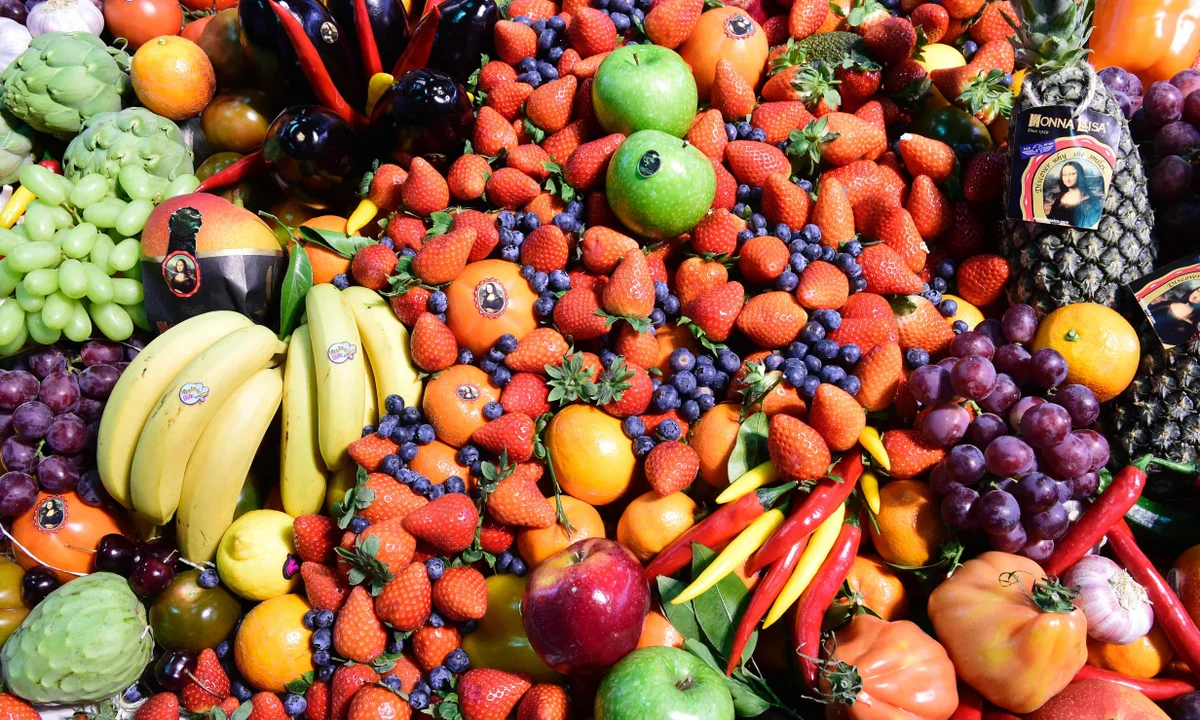
Hey there, remember that time I decided to overhaul my diet after a sluggish winter? I was feeling run down, like my body was begging for a reset. So, I dove into the world of fruits and vegetables, piling my plate with colorful goodies. Turns out, that simple change made me feel more alive than ever. If you’re wondering how many fruits and veggies you really need daily, you’re not alone—it’s a question that pops up all the time. In this guide, we’ll unpack the recommendations, share real tips, and even toss in some laughs along the way. Let’s get into it.
Understanding the Basics of Fruit and Vegetable Intake
Diving right in, the whole “how many fruits and veg a day” thing boils down to balancing nutrition without overcomplicating life. Most health experts agree on a baseline, but it tweaks based on your age, activity level, and where you live. Think of it as fueling your body like a car—skip the good stuff, and you’ll sputter out eventually.
What Exactly Counts as a Serving?
A serving isn’t some massive heap; it’s practical portions that fit into everyday meals. For fruits, that’s about a medium apple or half a cup of berries. Veggies? A cup of leafy greens or half a cup cooked broccoli does the trick. Fresh, frozen, or canned all work, as long as they’re not loaded with sugar or salt.
Why the Focus on Fruits and Veggies Anyway?
These powerhouses pack vitamins, fiber, and antioxidants that keep diseases at bay. Eating enough can slash your risk of heart issues or even add years to your life—who wouldn’t want that? It’s like nature’s multivitamin, minus the pill bottle.
Global Recommendations: What the Experts Say
Around the world, guidelines vary but circle around similar numbers. Organizations like the WHO set broad standards, while countries tailor them. It’s fascinating how something so universal gets a local twist.
WHO’s Take on Daily Intake
The World Health Organization suggests at least 400 grams—or five 80-gram portions—of fruits and veggies daily, excluding starchy roots like potatoes. This helps fend off chronic diseases and keeps your fiber intake solid. I tried hitting this mark once by snacking on apples mid-day, and it surprisingly curbed my junk food cravings.
US Guidelines from USDA and MyPlate
In the States, aim for 1.5 to 2.5 cups of fruit and 2 to 4 cups of veggies each day, depending on your age and gender. For a typical adult, that’s about five to nine servings total. MyPlate makes it visual—half your plate should be produce at every meal.
UK’s Famous 5 A Day Campaign
Britain’s NHS pushes five portions a day, with each around 80 grams. It’s straightforward: fresh, dried, or juiced all count, but watch the juice for sugar. When I visited London, I saw posters everywhere—it really drills the message home.
Variations by Age, Gender, and Lifestyle
Not everyone’s needs are the same; kids, athletes, and seniors have different targets. Adjusting for life stage keeps things realistic and effective.
Recommendations for Children and Teens
Kids aged 2-8 need 1 to 2 cups of each fruits and veggies daily, ramping up to 1.5-2.5 for teens. It’s crucial for growth—my niece turned into a broccoli fan after we made “tree” salads together. Fun beats force every time.
Adult Guidelines: Men vs. Women
Women often need 1.5-2 cups fruit and 2-3 cups veggies, while men might go for 2-2.5 fruit and 3-4 veggies. Activity levels matter; if you’re hitting the gym like I do a few times a week, bump it up for recovery fuel.
Special Considerations for Seniors
Over 60? Stick to 1.5-2 cups fruit and 2-3 cups veggies to support bone health and immunity. My grandma swears by her daily orange—says it keeps her spry at 82.
Benefits of Hitting Your Daily Quota
The perks go beyond just feeling good; science backs it up. From longer life to better moods, it’s a no-brainer investment in yourself.
Health Boosts: Lower Disease Risk
Studies show five servings cut heart disease and stroke risks significantly. One analysis found the magic mix is two fruits and three veggies for optimal longevity—simple math for big wins.
Weight Management and Energy Levels
Fiber fills you up without extra calories, helping maintain weight. I lost a few pounds effortlessly when I swapped chips for carrot sticks—plus, no more afternoon slumps.
Mental Health Perks
Antioxidants combat stress; eating more produce links to lower depression rates. It’s like a natural mood booster—who knew kale could be your happy pill?
Challenges and How to Overcome Them
We all face hurdles like busy schedules or picky tastes. But with smart strategies, hitting your goal becomes second nature.
Common Barriers to Eating Enough
Cost, availability, or just forgetting top the list. In winter, fresh stuff feels scarce, but frozen options save the day without breaking the bank.
Practical Tips to Increase Intake
Start small: add spinach to smoothies or fruit to yogurt. Meal prep salads for the week—I do this Sundays, and it keeps me on track without daily hassle.
- Blend veggies into sauces for sneaky nutrition.
- Try new recipes weekly to avoid boredom.
- Shop seasonally for fresher, cheaper picks.
- Set reminders on your phone for snack time.
Comparing Recommendations Across Countries
Guidelines differ globally, reflecting culture and availability. It’s eye-opening to see how places adapt the basics.
Europe vs. North America
UK and much of Europe stick to five portions, while US uses cups for precision. Both aim high, but Europe’s often includes juice more liberally.
Asia and Other Regions
Some Asian countries push six to ten servings, emphasizing variety. In Thailand, average intake hits higher thanks to abundant markets—jealous!
| Country/Region | Recommended Servings | Key Notes |
|---|---|---|
| USA | 5-9 total | Measured in cups; varies by age/gender |
| UK | 5 portions | 80g each; potatoes don’t count |
| WHO (Global) | 5 portions (400g) | Excludes starchy roots |
| Australia | 5 veggies + 2 fruits | Focus on variety |
| Japan | 5-6 veggies + 2-3 fruits | Part of balanced diet ethos |
Pros and Cons of Different Intake Levels
Weighing the upsides and downsides helps tailor your approach. More isn’t always better, but skimping has risks.
Pros of 5+ Servings Daily
- Reduced chronic disease risk.
- Better digestion from fiber.
- Natural weight control.
- Enhanced skin and energy.
Cons of Too Few Servings
- Higher chance of deficiencies.
- Weight gain from processed alternatives.
- Fatigue and poor immunity.
- Long-term health costs.
When More Might Be Too Much
Overdoing fruit can spike sugar intake, especially juices. Balance with veggies to avoid gut issues—listen to your body.
Where to Get Your Fresh Produce
Sourcing quality stuff matters. Local spots often beat big chains for freshness and flavor.
Farmers’ Markets and Local Farms
Nothing beats chatting with growers at markets. In my area, Saturday hauls include heirloom tomatoes—tastes like summer in a bite.
Grocery Stores and Online Delivery
Chains like ALDI or Walmart offer affordable organics. Services like Farm Fresh To You deliver to your door—perfect for busy folks.
Community Gardens and CSAs
Join a CSA for weekly boxes; it’s like a surprise gift from the earth. Growing your own? Even a windowsill herb pot counts.
Best Tools for Tracking Your Intake
Apps make monitoring easy and fun. Turn it into a game to stay motivated.
Top Apps for Daily Logging
MyPlate app lets you set goals and track progress with badges—feels rewarding. Thirty Plants focuses on variety, aiming for 30 types weekly.
Wearables and Journals
Fitness trackers like Fitbit remind you to eat produce. Old-school? A notebook works—jot down your wins daily.
Pros and Cons of Tracking Tools
Pros: Builds habits, spots patterns. Cons: Can feel obsessive; use sparingly to avoid burnout.
People Also Ask: Common Questions Answered
Drawing from what folks search on Google, here are real queries with straightforward answers.
How Many Servings of Fruits and Vegetables Per Day?
Aim for five total, with a 2:3 fruit-to-veggie ratio for best health outcomes.
What Counts as One of Your 5 a Day?
A handful of grapes, a medium banana, or a heaped tablespoon of cooked veggies. Juices count once max.
Is It Okay to Eat More Than Recommended?
Absolutely, up to 10-13 servings if active, but vary types to prevent imbalances.
Do Potatoes Count Towards Your Daily Intake?
Nope, they’re starchy carbs—great, but not in the fruit/veg category.
FAQ
How many fruits and vegetables should an average adult eat daily?
Most guidelines recommend five servings: two fruits and three vegetables. This totals around 400 grams and supports overall health.
What if I can’t afford fresh produce?
Opt for frozen or canned without added sugars/salts—they’re nutritious and cheaper. Farmers’ markets often have deals too.
Does juicing count as a serving?
Yes, but limit to one portion daily since it lacks fiber. Whole fruits are better for satiety.
Are there differences for pregnant women?
Yes, bump up to more servings for extra nutrients—consult your doctor for personalized advice.
Can eating too many veggies cause issues?
Rarely, but overdoing cruciferous ones might bloat. Balance and variety keep things smooth.
Wrapping up, hitting that daily fruit and veg target isn’t about perfection—it’s about progress. From my own journey, starting with one extra serving made a world of difference. Give it a shot; your body will thank you. For more on healthy eating, check our internal link to recipes. And remember, external resources like the WHO healthy diet page offer deep dives.
Leave a Reply