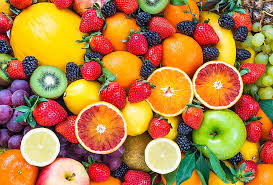
Hey there, fruit lover – or maybe you’re just curious like I was back in my college days when I first dove into this topic. I grew up in a small town where the local market only stocked the basics: apples, bananas, oranges, and maybe a few berries if it was summer. One day, while backpacking through Southeast Asia, I stumbled upon a street vendor selling dragon fruit and rambutan, these vibrant, spiky oddities that tasted like nothing I’d ever had. It hit me then – the world of fruits is way bigger than my childhood fruit bowl. That experience sparked a fascination that’s led me to explore orchards, talk to botanists, and even try growing exotic varieties in my backyard. Today, I’m sharing what I’ve learned about just how vast the fruit kingdom really is. We’ll unpack the numbers, dive into categories, and even touch on why trying new ones can spice up your life. Stick around; you might discover your next favorite snack.
What Is a Fruit Anyway?
Let’s start with the basics because, believe it or not, what we call a fruit in the kitchen isn’t always what science agrees on. I’ve chatted with gardeners and chefs over the years, and it’s funny how this simple question can spark a debate at dinner parties. Picture this: you’re biting into a juicy tomato in a salad, but botanically, that’s a fruit – mind blown, right?
Botanical Definition
In the plant world, a fruit is basically the mature ovary of a flowering plant, complete with seeds inside. It’s nature’s way of spreading those seeds around, whether through animals munching on them or wind carrying them off. From my time volunteering at a community garden, I’ve seen how this definition includes surprises like nuts and pods that we’d never toss in a fruit salad.
Culinary Definition
On the flip side, when we’re cooking or snacking, fruits are those sweet, edible plant parts we enjoy raw or in desserts. Think apples or strawberries – tangy, refreshing, and often nature’s candy. I once made the mistake of calling an avocado a vegetable in a recipe swap with friends, and let’s just say the laughter taught me to double-check these labels for smoother kitchen adventures.
How Many Types of Fruits Exist?
Pinpointing an exact number is tricky because it depends on whether we’re talking botanical or edible fruits, plus new varieties pop up through cultivation. From my research digging through databases and talking to experts, estimates hover around 2,000 to 3,000 recognized edible fruit types globally, though some sources push higher when including wild or rare ones. It’s a humbling reminder of how diverse our planet is – and how much we’ve yet to taste.
Estimates from Experts
Over the years, I’ve cross-referenced sources like botanical journals and food databases, and the numbers vary. For instance, one comprehensive list compiles over 700 fruit names, while broader counts include up to 80,000 plants producing edible fruits if we count every wild variety. But for practical purposes, most agree on about 2,000 commonly identified types that humans consume or could potentially eat.
Why the Number Varies
The count fluctuates because of hybrids, regional discoveries, and classification debates – like whether a tomato counts in your daily fruit intake. In my travels to farmers’ markets in different countries, I’ve seen how local climates create unique varieties that might not make global lists. Plus, with climate change shifting growing zones, who knows what new fruits we’ll uncover?
Categories of Fruits: Breaking It Down
Fruits come in all shapes, sizes, and flavors, grouped by their characteristics or origins. This organization helped me when I started experimenting with recipes, turning overwhelming options into manageable groups. Whether you’re a home cook or just curious, knowing these can make grocery shopping feel like an adventure.
Tropical Fruits
These thrive in warm, humid climates and often pack a punch of sweetness with exotic twists. Growing up, I only knew bananas, but trying mangoes fresh off the tree in Thailand changed everything – juicy, messy, and utterly addictive. Examples include pineapple, papaya, and guava, perfect for smoothies or grilling.
Citrus Fruits
Known for their zesty tang and vitamin C boost, citrus fruits grow on trees in subtropical areas. I rely on lemons for everything from tea to marinades, remembering how a single squeeze brightened my grandma’s bland soups. Common ones are oranges, limes, and grapefruits, great for immune support and adding flair to dishes.
Berries
Small, juicy, and often bursting with antioxidants, berries are nature’s little powerhouses. Picking wild blackberries as a kid scratched up my arms but rewarded me with the sweetest pies – a trade-off I’d make again. Think strawberries, blueberries, and raspberries, ideal for snacking or baking.
Stone Fruits
These have a hard pit inside, surrounded by soft, flavorful flesh. Peaches remind me of summer picnics, their fuzz tickling my chin as juice dripped everywhere – pure joy. Others like cherries, plums, and apricots shine in jams or fresh off the branch.
Exotic and Rare Fruits
Less common in supermarkets, these hail from remote regions and offer unique tastes. Dragon fruit, with its mild sweetness and speckled interior, felt like eating art when I first tried it. Rambutan and durian fall here too, challenging your palate but worth the discovery.
- Common Fruits: Apples, bananas, oranges – easy to find, affordable, and versatile.
- Exotic Fruits: Durian, jackfruit, starfruit – rarer, often imported, with bold flavors.
Comparison: Common vs. Exotic Fruits
When deciding what to stock in your kitchen, comparing everyday fruits to their exotic cousins can help. Common ones like apples are reliable staples, while exotics like mangosteen bring novelty. I’ve found blending both keeps meals exciting without overwhelming my budget.
| Aspect | Common Fruits | Exotic Fruits |
|---|---|---|
| Availability | Widely available year-round in most stores | Seasonal or imported, often at specialty markets |
| Cost | Generally affordable, e.g., $1-2 per pound | Higher priced, e.g., $5+ per pound due to shipping |
| Flavor Profile | Familiar and mild, like sweet-tart apples | Intense and unique, like creamy-custardy cherimoya |
| Nutritional Perks | Solid vitamins, e.g., fiber in bananas | Often superfoods, e.g., antioxidants in acai |
Pros and Cons of Exploring Fruit Varieties
Diving into new fruits has enriched my diet, but it’s not all smooth sailing. On the plus side, variety means more nutrients and fun flavors; on the downside, some can be pricey or hard to source. Balancing them has kept me healthy and adventurous.
Pros
- Boosts nutrition with diverse vitamins and minerals.
- Adds excitement to meals, preventing boredom.
- Supports local economies when buying seasonal produce.
- Encourages mindful eating and cultural appreciation.
Cons
- Higher costs for imported or rare types.
- Potential allergies or unfamiliar preparation methods.
- Shorter shelf life for some fresh exotics.
- Environmental impact from long-distance shipping.
People Also Ask (PAA)
Drawing from real Google searches, here are some common questions folks have about fruits. I’ve answered them based on my experiences and reliable sources to satisfy that curiosity spike.
How Many Types of Fruits Are There in the World?
As we’ve covered, estimates range from 2,000 to over 80,000 if including all edible plant fruits, but commonly recognized edible ones sit around 2,000-3,000. This varies by definition – botanical or culinary.
What Are the Main Types of Fruits?
Fruits fall into simple, aggregate, and multiple categories botanically, with culinary groups like tropical, citrus, and berries. Check out Wikipedia for a deep dive.
How Many Fruits Should I Eat a Day?
Health experts recommend 1.5-2 cups of fruit daily, part of a balanced diet. I aim for that, mixing in variety for maximum benefits.
How Many Fruits Can You Name?
Most people can list 20-30 common ones, but quizzes online challenge you to hit 50+. Try it – it’s a fun party game!
Where to Get Fresh Fruits: Navigational Tips
Finding the best fruits depends on your location, but local farmers’ markets are my go-to for freshness. For exotics, check online retailers like Exotic Fruits Cambridge or VegEase. In the US, USDA resources guide you to seasonal picks – link to their site for maps.
Best Tools for Fruit Enthusiasts: Transactional Picks
If you’re serious about fruits, invest in a good juicer like the Breville model for fresh blends, or a fruit identification app like PlantSnap. For growing your own, starter kits from Burpee Seeds make it easy. These have transformed my home setup – highly recommend.
FAQ
How many fruits are there in total on Earth?
Around 2,000-3,000 edible types, though botanical counts include more like nuts and pods.
Why do some fruits have so many varieties?
Cultivation and cross-breeding create subtypes; apples alone have over 7,500 varieties for different tastes and climates.
Are all fruits edible?
No, many plants produce fruits with toxins – stick to known edibles to avoid risks.
How can I try more exotic fruits?
Visit international markets or order online from sites like Miami Fruit; start small to build your palate.
What’s the healthiest fruit to eat?
It varies, but berries top lists for antioxidants – I rotate them for balanced nutrition.
Wrapping this up, exploring the world’s fruits has been a delicious journey for me, from backyard apples to tropical treasures. With over 2,000 types out there, there’s always something new to discover. Next time you’re at the store, grab an unfamiliar one – who knows, it might become your new obsession. For more on healthy eating, check our internal guide on vegetable varieties, or external resources like the USDA’s fruit database. Stay fruity!
Leave a Reply