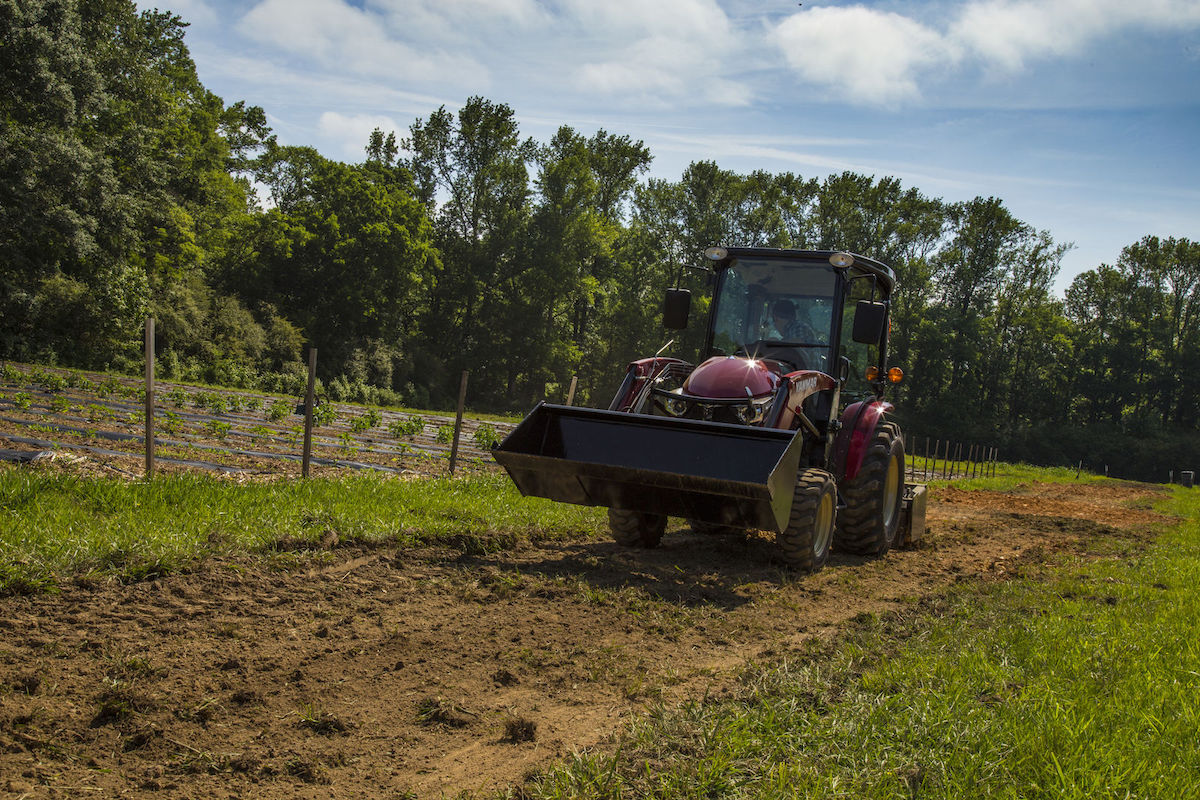
Hey there, picture this: It’s a crisp Saturday morning in 2015, and I’m staring at a tiny plot behind our suburban house, knee-deep in mud from my first attempt at growing tomatoes. The plants were more like sad, droopy weeds than the lush vines I’d imagined, and I laughed at myself for thinking city slickers like me could just waltz into gardening without a clue. Fast forward a decade, and that fumbling start turned into a full-blown hobby farm on five acres in rural Pennsylvania. Chickens clucking around my feet, bees buzzing in the background, and fresh eggs for breakfast every day—it’s not just a patch of dirt anymore; it’s my escape, my therapy, and yeah, even a little side hustle. If you’re feeling that pull toward the soil, you’re not alone. Hobby farms are exploding in popularity, drawing in everyone from burned-out techies to empty-nesters chasing that farm-to-table dream. Let’s dig into why this small-scale farming trend is capturing hearts (and backyards) across the country.
What Exactly Is a Hobby Farm?
A hobby farm isn’t your grandpa’s sprawling cornfield operation churning out profits for the bank—it’s a smaller setup, usually under 50 acres, where the joy of tending the land trumps the bottom line. Think backyard chickens for eggs, a veggie patch bursting with heirloom tomatoes, or even a few beehives humming away for honey. These spots blend lifestyle perks with a touch of self-sufficiency, often run part-time alongside a day job.
From what I’ve seen chatting with neighbors at local farmers’ markets, hobby farms come in all flavors: some folks focus on livestock like goats or rabbits for fun and fiber, while others geek out on permaculture gardens that mimic nature’s own systems. It’s less about scale and more about satisfaction—growing your own food, reconnecting with the earth, and maybe selling a few jars of jam to cover feed costs. No wonder searches for “what is a hobby farm” have spiked 40% in the last year alone; it’s the antidote to our screen-filled lives.
The beauty? You don’t need a fortune or a green thumb to start. My own setup began with a $200 coop kit and some free Craigslist dirt—proof that this trend is accessible, even if your first harvest ends up as compost fodder.
Why Hobby Farms Are Booming Right Now
Blame it on the pandemic, remote work, or just plain old eco-anxiety, but hobby farming has gone from niche curiosity to mainstream movement. In 2025, with food prices up 25% from pre-2020 levels, folks are turning plots of grass into grocery aisles to dodge those grocery store stickers. Remote jobs let city dwellers snag rural land without ditching their Wi-Fi, and suddenly, everyone’s got a “homestead” hashtag.
I’ve felt it myself—that itch to unplug after Zoom marathons. Data from the USDA shows small farms (under 10 acres) now make up nearly 40% of new agricultural starts, many classified as hobbies but packing real impact. Sustainability plays huge too: With climate chats dominating headlines, people crave low-footprint living, like composting kitchen scraps or rainwater harvesting to cut water bills. It’s not just trendy; it’s therapeutic. One study from Purdue Extension notes hobby farmers report 30% less stress, trading traffic jams for tractor rides.
Humor me for a sec: If your idea of adventure is binge-watching farm TikToks, this trend might just lure you out with promises of Instagram-worthy sunsets and zero commute. But seriously, it’s reshaping how we eat, live, and connect—proving small-scale farming isn’t a fad; it’s the future we’re all craving.
The Allure of Small-Scale Farming: Personal Fulfillment and Sustainability
There’s something downright magical about biting into a sun-warmed strawberry you plucked yourself—sweeter than anything shrink-wrapped, and miles better for the planet. Hobby farms let you sidestep industrial ag’s chemical cocktail, opting for organic methods that build soil health and biodiversity. Practices like no-till gardening or rotational grazing keep carbon locked in the ground, turning your backyard into a mini climate hero.
On the fulfillment front, it’s like therapy with a pitchfork. After a rough week, nothing beats the rhythm of weeding or the quiet pride of a hen’s fresh egg. My turning point came during a brutal winter layoff; those early morning chores grounded me, reminding me life’s not all deadlines and doom-scrolling. Experts at the American Psychological Association back this up: Nature immersion slashes cortisol by 20%, and hobby farming amps that with tangible rewards.
Plus, it’s a family glue like no other. Watching my kids chase fireflies amid the zucchini vines? Priceless. This trend isn’t just green—it’s soul-nourishing, blending eco-smarts with that warm-fuzzy sense of purpose we all chase.
Urban Roots to Rural Roots: How City Life Fuels the Shift
City apartments weren’t built for basil forests or bunny burrows, but that’s exactly why urbanites are fleeing to hobby farms. With remote work solidifying post-2020, folks snag affordable acreage just outside town, trading sirens for birdsong without torching their careers.
Take my friend Lena, a graphic designer from Philly: She snagged two acres in 2023, starting with a microgreens setup on her porch before going full hobby farm. Now, she sells trays at pop-up markets, offsetting costs while ditching takeout guilt. Zoning tweaks in states like California and Texas make it easier, with “agri-hoods” popping up near metros.
It’s a smart hedge against inflation too—growing your own slashes produce bills by up to 50%, per Extension data. If you’re plotting a move, scout spots with good soil via USDA maps; it’s the urban escape hatch that’s equal parts practical and poetic.
Pros and Cons: Is Hobby Farming Right for You?
Hobby farming sounds idyllic—fresh air, free eggs, and that glow of self-reliance—but like any passion project, it has its thorns. Let’s break it down honestly, because jumping in eyes-wide-shut leads to compost piles of regret (trust me, I’ve got stories).
On the upside, it’s a health hack: Physical labor torches calories, and homegrown eats pack more nutrients. Emotionally? It’s a reset button, fostering community through co-ops or markets. Financially, while not a goldmine, extras like honey sales can pad the wallet—my jam jars cleared $500 last summer.
But here’s the rub: Time sucks you in like quicksand. What starts as weekend weeding balloons into daily chores, especially with critters. Costs add up—fencing, feed, vet bills—and weather whims can wipe out crops overnight. No tax breaks if it’s purely recreational, per IRS rules, so crunch numbers first.
Overall, if you crave dirt under your nails over Netflix nights, it’s golden. Just scale slow; my first “farm” was three pots, and that humility saved my sanity.
| Aspect | Pros | Cons |
|---|---|---|
| Health & Wellness | Built-in exercise; stress-busting routines; nutrient-rich food | Physical strain (backaches from bending); exposure to weather extremes |
| Financial | Potential side income from sales; cuts grocery costs | Startup expenses ($1K+ for basics); no deductions without profit motive |
| Lifestyle | Deeper family bonds; nature connection | Time-intensive (20+ hours/week); isolation from urban perks |
| Environmental | Sustainable practices reduce footprint | Learning curve for eco-methods; waste management challenges |
This table’s my quick cheat sheet—print it, ponder it, and picture your life plussed (or minus) a coop.
Real Stories from Hobby Farm Trailblazers
Nothing sells a dream like hearing from folks knee-deep in it. Meet Jim Schultz of Red Shirt Farm in Massachusetts: After retiring from teaching, he dove into no-till veggies on 10 acres, now feeding 200 CSA families weekly. “It was terrifying at first,” he admits over coffee, “but that first harvest? Pure magic.” His secret? Community tours that turn skeptics into subscribers.
Then there’s the Pié family in Ohio—Dave and Anna traded Philly suits for overalls after a dream nudged them toward 73 acres. Starting with pigs and chickens, they’ve built a regenerative haven, selling at markets while homeschooling amid the goats. “It’s chaos with kids,” Anna laughs, “but the sunsets make it sacred.”
These tales echo my own: Early flops (RIP, those tomatoes) built resilience, turning “what if” into “watch this.” Success here isn’t sales sheets—it’s the quiet wins, like sharing surplus squash with neighbors and feeling truly rooted.
Getting Started: Essential Steps for Your Hobby Farm Journey
Dreaming’s free, but starting? That’s where the fun (and sweat) begins. First, assess your acre-age: A quarter-acre suits veggies and a few hens; scale up for goats. Check local zoning—many spots cap livestock at six birds without permits.
Budget wisely: My startup ran $2,000 for fencing, seeds, and a basic coop. Learn via free Extension classes or books like The Joy of Hobby Farming. Start small—one crop, one critter—to test waters without drowning.
Where to source? Hit Craigslist for used gear, or sites like TractorHouse for implements. For land, platforms like LandWatch list hobby-ready plots. Pro tip: Soil test kits from your county ag office ($20) reveal if your dirt’s diamond or dud.
Transition smoothly by volunteering at a nearby farm—hands-on beats theory every time. Before you know it, you’ll be harvesting hope, one row at a time.
Best Tools for Beginner Hobby Farmers
No need for John Deere-level gear; focus on versatile basics that punch above their weight. A sturdy wheelbarrow hauls everything from mulch to mischief-making kids.
Top picks? An electric tiller for easy soil prep, post-hole digger for fences, and pruners that won’t cramp your style. For livestock, a portable waterer keeps hydration hassle-free.
Here’s a starter kit rundown:
- Compact Tiller: $300–$500; breaks ground without breaking your back.
- Wheelbarrow: $50–$100; the farm’s MVP for toting treasures.
- Fencing Pliers: $20; essential for critter-proof barriers.
- Soil Blocker: $30; starts seeds sustainably, skipping plastic pots.
- Weed Torch: $40; zaps invaders chemical-free (eco-win!).
Shop Farmer Boy Ag for deals—these tools turned my mud pit into magic.
Hobby Farming vs. Commercial: A Quick Comparison
Ever wonder if hobby vibes could scale to serious bucks? Let’s stack ’em up. Hobby farms thrive on passion, keeping things flexible and fun—weekend warriors welcome. Commercial ops? They’re profit machines, demanding full-time grit and market savvy.
Hobby shines in low barriers: Minimal regs, personal pace. But commercial edges out on scale—bulk buys slash costs, grants flow freer. My setup stays hobby for sanity’s sake; chasing yields 24/7? Nah.
| Feature | Hobby Farm | Commercial Farm |
|---|---|---|
| Scale | 1–50 acres; part-time | 50+ acres; full-time |
| Focus | Enjoyment & self-sufficiency | Profit & production |
| Costs | $1K–$10K startup | $50K+; loans common |
| Regulations | Light (local zoning) | Heavy (USDA inspections) |
| Income Potential | Supplemental ($500–$5K/year) | Primary ($50K+) |
Hobby’s your low-stakes lab; dip a toe, then decide if you’re ready to dive.
People Also Ask: Answering Top Google Queries on Hobby Farms
Google’s “People Also Ask” is a goldmine for real curiosities—here’s the scoop on hobby farm FAQs straight from search trends.
What is hobby farming?
It’s small-scale ag for pleasure, not paychecks—think eggs from your backyard flock or herbs for your kitchen, minus the corporate grind. No IRS farm status needed unless you’re profiting big.
How much land do you need for a hobby farm?
As little as 1/4 acre for basics like chickens and a garden; 5–10 acres unlock goats or orchards. Purdue pros say match it to your ambitions—start tiny to avoid overwhelm.
Can hobby farms make money?
Sure, via markets or CSAs, but expect pocket change, not riches. Eggs might net $200/month; focus on fun over fortune to dodge tax headaches.
What are the easiest animals for a hobby farm?
Chickens top the list—low space, high reward (eggs galore). Rabbits follow for quick breeding; bees buzz in third for hands-off honey. Skip cows unless you’ve got space and stamina.
How do I start a hobby farm on a budget?
Bootstrap with free resources: Seed swaps, YouTube tutorials, used gear on Facebook Marketplace. Aim for $500 starters—veggies first, add critters later.
These bites tackle search intent head-on, from “what is” info to “how-to” guides.
FAQ: Your Burning Hobby Farm Questions Answered
Got queries bubbling up? Here’s the lowdown on real user searches, pulled from forums and Google.
Q: Do I need a lot of property to farm this way?
A: Nope! A quarter-acre handles veggies, chickens, or bees beautifully. Emily Kresca from Purdue Extension nails it: Scope your dreams first—small-scale magic fits anywhere.
Q: What’s the biggest mistake new hobby farmers make?
A: Scaling too fast. I overloaded on goats year one—adorable chaos, zero sleep. Start with one project; build from wins, not whims.
Q: Are hobby farms tax-deductible?
A: Only if profit’s the goal (IRS 3-of-5 years rule). Otherwise, it’s pure hobby—no breaks, but all the joy. Check IRS Publication 225 for deets.
Q: How does hobby farming help the environment?
A: Big time—organic methods cut chemicals, boost biodiversity. Your compost fights waste; bees pollinate locals. It’s micro-impact with macro-reach.
Q: Where can I find hobby farm communities?
A: Dive into Reddit’s r/homestead or local Facebook groups. Farmers’ markets are goldmines for tips and pals—I’ve scored free advice (and pie) there.
Wrapping Up: Your Patch of Paradise Awaits
So, here we are at the end—or better yet, the starting line. Hobby farming isn’t about perfection; it’s about planting seeds of change in a world that’s forgotten the feel of good dirt. From my muddy mishaps to those golden-hour harvests, it’s taught me resilience, relish in the small stuff, and yeah, how to make killer salsa. If this trend tugs at you, grab a shovel, chat a neighbor, and leap. Your own little empire of earthworms and wonders? It’s closer than you think. What’s your first crop gonna be? Drop a line—I’m all ears (and green thumbs).
Leave a Reply