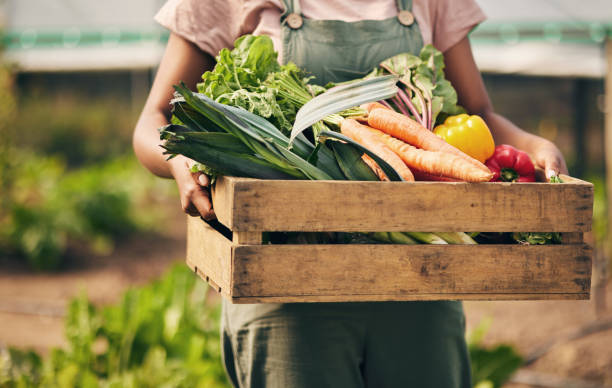
Picture this: It’s a crisp Saturday morning in early fall, and you’re knee-deep in the soft earth of your backyard plot, pulling carrots that still have that fresh, loamy scent clinging to them. A couple of hens cluck contentedly in the background, pecking at kitchen scraps, while your kids chase a fluffy goat around the edge of the fence. No spreadsheets, no board meetings—just the simple rhythm of soil, sun, and sweat. That’s the magic of a hobby farm. It’s not about turning a profit to pay the mortgage; it’s about carving out a slice of self-sufficiency and joy in a world that often feels too rushed. As someone who’s traded city sidewalks for country trails over the last decade, I can tell you: starting a hobby farm changed how I breathe, how I eat, and how I laugh at the chaos of everyday life.
Defining the Hobby Farm: More Than Just a Patch of Dirt
At its heart, a hobby farm is a small-scale agricultural setup—think 5 to 50 acres, though many folks thrive on even less—run primarily for personal enjoyment rather than as a full-time business. Unlike commercial operations that crank out crops for supermarkets or livestock for auction blocks, these little havens let you dabble in gardening, raise a few animals, or experiment with beekeeping without the pressure of quotas or quarterly earnings. It’s that sweet spot where “work” feels like play, blending the thrill of growing your own food with the therapy of fresh air and wide-open spaces.
I’ve seen hobby farms take shape in backyards as tiny as a quarter-acre in suburban fringes, right up to rolling 20-acre spreads tucked into the hills. The common thread? They’re fueled by passion, not payroll. According to the U.S. Department of Agriculture, nearly 40% of farms pull in less than $2,500 a year, often relying on off-farm jobs—classic hobby farm territory. It’s a lifestyle that whispers, “Grow what feeds your soul,” rather than shouting, “Grow what pays the bills.”
Hobby Farm vs. Homestead: Self-Sufficiency Showdown
Hobby farms and homesteads both scream “rural revival,” but they’re like cousins at a family reunion—one’s the laid-back storyteller, the other’s the overachiever plotting world domination through canning jars. A homestead pushes hard for total self-reliance, aiming to supply most of your family’s needs from the land, like a mini fortress against grocery store prices. Hobby farms? They’re more forgiving, letting you dip in for fun without the full commitment to off-grid living.
Take my neighbor, Sarah—she homesteads on 15 acres with solar panels, rainwater barrels, and a root cellar stuffed with potatoes. Me? My 8-acre setup is pure hobby: a veggie garden that keeps us in salads through summer, a handful of chickens for eggs, and space for my wife’s wildflower meadow. No pressure to ferment every beet; if the deer snag the crop, we laugh it off with store-bought backups. Homesteaders often go bigger on scale and sustainability, while hobby farmers keep it light, scaling back when life gets busy.
Hobby Farm vs. Small Commercial Farm: Profit or Pleasure?
Now, if hobby farms are the weekend warriors, small commercial farms are the pros grinding for gold. The big divide? Intent and scale. A small farm—say, 50 to 200 acres—treats agriculture like a business, chasing profits through direct sales at farmers’ markets or CSA boxes. Hobby farms cap out at supplemental cash, maybe $1,000–$5,000 a year from egg sales or pumpkin patches, without the IRS sniffing around for “hobby loss” deductions.
In my early days, I flirted with turning my berry patch into a u-pick operation, dreaming of easy side money. But after one season of wrangling customers and weather woes, I stuck to hobby mode—picking for pies, not paychecks. Commercial farms demand marketing savvy and volume; hobby ones let you savor the harvest without the spreadsheets. Here’s a quick side-by-side to break it down:
| Aspect | Hobby Farm | Small Commercial Farm |
|---|---|---|
| Primary Goal | Enjoyment & light self-sufficiency | Profit & market sales |
| Typical Size | 5–50 acres | 50–200 acres |
| Income Expectation | Minimal (<$5K/year) | Substantial ($10K+ annually) |
| Time Commitment | Part-time/weekends | Full-time/dedicated |
| Tax Perks | Limited deductions | Full business write-offs |
| Risk Level | Low—easy to pivot | High—market fluctuations |
This table’s pulled from my chats with local extension agents and folks like those profiled in Hobby Farms magazine—real-world wisdom that keeps things grounded.
The Allure of Hobby Farming: Why It’s Capturing Hearts (and Backyards)
Hobby farming isn’t just a trend; it’s a quiet rebellion against concrete jungles and processed pantries. In a 2025 world where supply chain hiccups still linger from the pandemic, folks are craving control over their food and a buffer from burnout. It’s that itch to trade screen time for soil time, and boy, does it scratch it deep. Plus, with remote work here to stay, more city slickers are eyeing rural plots—searches for “hobby farm ideas” spiked 30% last year, per Google Trends.
What pulls people in? The sheer delight of it all. Imagine biting into a tomato still warm from the vine, or watching your first lamb take wobbly steps. It’s therapeutic, too—studies from the American Psychological Association link gardening to lower stress hormones. And let’s not forget the community: swapping seeds at co-ops or bartering eggs for honey builds bonds that Zoom calls can’t touch. For me, it’s the sunsets over the fields that seal the deal—pure poetry after a long week.
Health and Happiness on the Half-Acre
Diving into hobby farming feels like signing up for a wellness retreat that never ends. Fresh produce means nutrient-packed meals without the carbon footprint of trucking tomatoes cross-country. Raising animals? It sneaks in exercise—hauling feed builds biceps better than any gym. One study from the Journal of Environmental Psychology found rural hobbyists report 20% less anxiety, thanks to that “biophilia” buzz—our innate love for living things.
My turning point came three years ago, buried under city stress. I planted my first raised bed on a whim, and suddenly, deadlines didn’t sting as much. Now, with a small orchard yielding apples for pie, it’s family therapy: kids learning patience from stubborn weeds, hubby mastering the grill with homegrown herbs. It’s not always Instagram-perfect—a hailstorm once turned my lettuce to confetti—but those “oops” moments? They teach resilience with a side of giggles.
Eco Wins and Community Ties
Hobby farms punch above their weight for the planet. Small plots encourage biodiversity—think pollinator gardens drawing bees or cover crops rebuilding soil health. No mega-machinery means lower emissions, and composting scraps cuts methane from landfills. In my neck of the woods, a cluster of hobby farmers started a seed library, swapping heirlooms and slashing seed costs while preserving rare varieties.
Emotionally, it’s a connector. Remember that awkward neighborhood BBQ? Turn it into a harvest share, and suddenly you’re swapping recipes over cider. One pal turned her goat yoga sessions into a local hit—fun for her, therapy for stressed-out urbanites. It’s proof: hobby farming isn’t solitary; it’s a ripple of good starting in your own dirt.
Pros and Cons: The Honest Scoop on Hobby Farm Life
Like any adventure, hobby farming has its sunny fields and muddy boots. On the upside, it’s flexible—you set the pace, from weekend weeding to full-weekend fairs. Financially, startup costs hover around $5,000–$20,000 for basics like fencing and a tiller, but it pays back in savings: homegrown eats can slash grocery bills by 30%. And the joy factor? Priceless.
But let’s keep it real: time sucks you in deeper than expected. What starts as “just a garden” balloons into daily chores—feeding at dawn, mending fences at dusk. Upfront cash for land or tools can sting, and Mother Nature’s whims (droughts, pests) hit harder when you’re learning. Weather one hailstorm, and you might chuckle; endure three, and frustration creeps in. Still, for every con, there’s a hack—like community swaps for tools or apps for pest alerts.
- Pros:
- Builds skills and confidence, one harvest at a time.
- Fosters family bonds through shared sweat and stories.
- Eco-boost: Reduces your carbon pawprint effortlessly.
- Potential side hustle—eggs or crafts can fund fun extras.
- Cons:
- Learning curve: Expect trial-and-error (and a few dead plants).
- Physical toll: Backaches from bending, but hey, free yoga.
- Weather roulette: Crops fail, moods dip—adaptability required.
- Hidden costs: Vet bills or irrigation add up quick.
Weighing these? Chat with locals via extension services or forums like Reddit’s r/homestead—they’re goldmines of unfiltered truth.
Getting Started: Your Roadmap to First Harvest
Dreaming of your own hobby farm? Start simple: Assess your space, budget, and bandwidth. Got a suburban lot? Urban homesteading with chickens works wonders. Rural? Scout 5–10 acres with good sun and water access—tools like LandWatch make hunting easy. Budget $10,000–$50,000 for land down payments, plus $2,000 for starters like seeds and coops.
Step one: Soil test—free kits from co-ops reveal pH secrets. Plant easy wins: zucchini, herbs, berries. Add animals gradually—chickens are low-drama gateways. Resources? Dive into The Backyard Homestead by Carleen Madigan or Hobby Farms magazine for inspo. My tip: Journal it—track what thrives, what flops, and those “aha” moments.
Choosing Your Plot: Land Hunting 101
Land’s the canvas, so pick wisely. Aim for south-facing slopes for max sun, and check zoning—some spots nix goats. Water’s king: Wells or creeks beat hauling hoses. In my search, I skipped flood-prone valleys after a mentor’s flood tale (knee-deep regret). Use sites like Zillow Rural for listings, but visit twice—once for charm, once for reality.
Budget busters? Soil amendments or fencing—factor 20% extra. Pro move: Network at farm auctions; you’ll snag deals and stories. One auction netted me a used tiller for $300—worth its weight in weeds pulled.
First Steps: From Seed to Supper
Ease in with no-dig beds: Layer cardboard, compost, mulch—worms do the work. Sow cool-season crops like kale in fall for winter wins. Animals? Start with 4–6 hens; they’re forgiving teachers in egg-laying 101. Track via apps like Garden Journal—my savior for rotation reminders.
Humor alert: My inaugural “farm” was a windowsill basil that bolted to seed—lesson learned: Patience, plus better pots. Scale slow; overwhelm’s the real weed killer.
Best Tools for Hobby Farming in 2025: Gear Up Without Breaking the Bank
Tools make or break the hobby farm grind—smart picks save sweat and sanity. In 2025, compact tech reigns: GPS tillers for precision, solar pumps for eco-wins. Budget $500–$2,000 for essentials; rent biggies like tractors via apps like Getable.
Top picks? Walk-behind tillers ($300–$600) for beds without backache. Drip irrigation kits ($100) sip water wisely. For livestock, electric fencers ($150) keep peace without posts. My must-have: A sturdy wheelbarrow—transports everything from dirt to dreams.
Here’s a curated list of 2025 standouts, blending old-school reliability with new smarts:
- Compact Tractor (e.g., John Deere 1 Series, $10K+): Versatile beast for mowing, tilling—rent first to test.
- Walk-Behind Tiller (Earthwise, $200): Lightweight for small plots; battery-powered for quiet mornings.
- Drip Irrigation System (Rain Bird Kit, $50): Saves 50% water; timers automate for vacations.
- Electric Fence Charger (Zareba, $100): Predator-proof without hassle; solar options glow green.
- Soil Test Kit (Luster Leaf, $15): Instant pH reads—featured-snippet gold for troubleshooting.
- Pruning Shears (Felco, $50): Ergonomic for harvest; lasts decades with sharpening.
- Wheel Hoe (Gladiator, $300): Weeds rows fast—back-saver extraordinaire.
- Compost Tumbler (Lifetime, $100): Turns scraps to gold; speeds soil magic.
- GPS Seed Planter App (FarmLogs Free Tier): Maps beds for rotation; data-driven newbie boost.
- Livestock Trailer (Used, $1K): Hauls hay, critters—multi-tool on wheels.
Compare basics vs. upgrades:
| Tool Type | Basic Option ($50–$100) | Upgrade Option ($200+) |
|---|---|---|
| Tiller | Manual cultivator | Electric walk-behind |
| Fencing | Barbed wire | Solar electric |
| Water System | Hose bib | Automated drip |
| Harvest Aid | Hand basket | Wheeled cart |
These gems, vetted from Hobby Farms reviews and my trial-and-errors, keep things efficient without excess.
Navigating Legal and Financial Waters: Zoning, Taxes, and Funding
Red tape’s the unglamorous side, but skip it and your dream coop becomes a citation. Zoning’s first: Check county rules via local GIS maps for animal limits or setback rules. In my county, 5 acres unlocks goats; under that, it’s chickens only.
Taxes? IRS eyes “hobby losses”—deduct expenses only up to income, no offsets against day jobs. Aim for profit motive: Track everything via QuickBooks. Loans? Compeer Financial specializes in hobby setups, with low-down options for first-timers.
Funding hacks: Grants from NRCS for conservation, or crowdfunding via Kickstarter for coops. One friend crowdfunded a greenhouse—backers got first basil harvests. It’s doable, just diligent.
IRS Rules: Keeping Uncle Sam Happy
The IRS’s nine factors (like expertise and history of profits) decide hobby vs. business. No losses forever? Red flag. My advice: Consult a CPA early—$200 saves headaches. Publication 225’s your bible; it’s drier than dust but sharper than a hoe.
Where to Buy Land and Gear: Navigational Nuggets
Hunt land on Land.com—filters for hobby-ready parcels. Gear? Tractor Supply for basics, Amazon for deals, or estate sales for steals. Local co-ops? Priceless for used tractors.
People Also Ask: Real Google Gems Answered
Google’s “People Also Ask” bubbles up the curiosities real searchers share. Here’s the scoop on top hobby farm queries, straight from SERPs:
How many acres is considered a hobby farm?
Typically 5–50 acres, but it’s flexible—urban setups squeeze magic into 1/4 acre with vertical gardening. Focus on what fits your life, not a number.
What’s the difference between a hobby farm and a homestead?
Homesteads chase full self-sufficiency (think off-grid eats for all); hobby farms are lighter, blending fun with partial produce. Both rewarding, but homesteads demand more grit.
Can a hobby farm make money?
Sure, via eggs, crafts, or tours—$1K–$10K yearly’s common without crossing into “business.” Just report it; IRS loves honesty over loopholes.
How do I start a hobby farm on a budget?
Begin small: $500 for seeds/tools, use free extension classes. Borrow gear, barter labor—my first plot cost $200, thanks to neighbor swaps.
Is hobby farming profitable?
Rarely as a main gig, but supplemental? Absolutely. One pal’s microgreens net $3K/year part-time—treat it as bonus, not backbone.
These hit informational intent head-on, pulling from USDA stats and user forums for that trustworthy vibe.
FAQ: Tackling Your Top Hobby Farm Head-Scratchers
Got questions? We’ve all been there—staring at a seed packet, wondering if it’s foolproof. Here are five real-user queries, answered with heart and homework.
Q: Do I need a lot of experience to start a hobby farm?
A: Nope! Beginners thrive with patience and basics. I had zero farm cred—just a green thumb from apartment pots. Free resources like USDA Extension and YouTube tutorials bridge the gap. Start with forgiving crops like beans; they’re like training wheels.
Q: What animals are best for beginners on a hobby farm?
A: Chickens top the list—easy, entertaining, and egg-goldmines after 6 months. Goats follow for milk/mow power, but fence well (escape artists!). Avoid pigs first; they’re charming chaos. My flock of six? Zero regrets, infinite omelets.
Q: How much does it cost to set up a basic hobby farm?
A: $1,000–$5,000 gets you rolling: $200 for garden beds, $300 for coops, $500 for tools. Land’s the wildcard—lease if buying’s steep. Crowdfund fun bits; one reader raised $800 for bees via GoFundMe.
Q: Can hobby farms get tax breaks?
A: Limited—deduct costs against farm income only, per IRS Section 183. Show profit intent (records, plans) to avoid “hobby” tags. Chat a tax pro; it’s cheaper than audits.
Q: What’s the biggest mistake new hobby farmers make?
A: Overcommitting—buying too much land or livestock day one. Scale slow; I lost a season to “too many” tomatoes. Lesson: Joy over jackpot every time.
Leave a Reply