Hey there, friend. Picture this: It’s a crisp fall morning, and you’re out in the yard, coffee in hand, watching a handful of chickens peck around while the sun rises over your little patch of earth. No traffic jams, no endless emails—just the quiet rhythm of something you’ve built with your own hands. That’s the magic I stumbled into about eight years ago when my wife and I traded our suburban cul-de-sac for five acres in rural Vermont. We weren’t farmers; I was crunching numbers in an office, and she was teaching third grade. But that itch for something real, something tied to the seasons and the soil, wouldn’t quit. If you’re feeling that pull too, stick with me. Starting a hobby farm isn’t about quitting your day job or turning into a full-time homesteader overnight. It’s about carving out a slice of self-sufficiency that feeds your soul—and maybe your belly—without overwhelming your life. In this guide, I’ll walk you through it step by step, drawing from our trial-and-error triumphs (and the faceplants along the way). We’ll keep it practical, honest, and laced with a bit of that farm-fresh humor that keeps you going when the goats escape again.
What Exactly Is a Hobby Farm?
A hobby farm is that sweet spot between a backyard garden and a full-blown commercial operation—a small-scale setup where you grow crops, raise a few animals, or both, mainly for personal enjoyment, family food security, and maybe a little side cash. It’s not your primary income source; think of it as a weekend warrior’s delight rather than a 9-to-5 grind. Unlike a homestead, which often aims for total off-grid independence, a hobby farm lets you dip your toes in without drowning in chores. For us, it started with a dozen laying hens and a 20-by-20 veggie plot—nothing fancy, but it felt like freedom.
These days, with food prices climbing and folks craving that farm-to-table vibe, hobby farming is booming. According to the USDA, over 40% of U.S. farms pull in less than $2,500 a year, fitting right into this category. It’s perfect for retirees, remote workers, or anyone with a yard bigger than a postage stamp who wants to reconnect with nature. The key? It’s scalable. Start with herbs on your windowsill if that’s all you’ve got, and dream bigger as you go.
Assessing Your Resources: Land, Time, and Budget Basics
Before you buy that first bag of chicken feed, take a hard look at what you’ve got to work with. We learned this the hard way—our initial plot was sloped like a ski jump, turning every rain into a mudslide adventure. Start by mapping your space: How many acres (or square feet) can you dedicate? A solid hobby farm often runs 1-10 acres, but even a quarter-acre can yield wonders if you’re smart about it. Factor in sunlight, soil type, and water access—tools like the USDA’s Web Soil Survey (check it out here) make this a breeze.
Time is your next reality check. Hobby farming isn’t passive; expect 10-20 hours a week once things are rolling, more during planting or kidding season. And budget? Ours kicked off at about $5,000 for basics like fencing and a coop, but it snowballs. Track every dollar to avoid surprises—apps like FarmLogs can help. The goal here is balance: Don’t bite off more than your weekends (and sanity) can chew.
Choosing the Right Location for Your Hobby Farm
Finding the perfect spot is like dating—rushed decisions lead to regrets. We drove hours to inspect parcels, kicking tires on soil and grilling realtors about flood history. Aim for rural or semi-rural zones zoned for agriculture; urban edges work too if setbacks allow livestock. Proximity to markets, vets, and feed stores is gold—nothing kills the vibe like a two-hour hay run. In the U.S., states like Vermont or Colorado shine for fertile land and supportive communities, but anywhere with good drainage and sun exposure can do.
Budget-wise, expect $5,000-$20,000 per acre depending on region—cheaper in the Midwest, pricier near cities. Test for percolation (for septic) and water quality early; a bad well can sink you. Pro tip: Chat with neighbors over coffee. They’ll spill the real tea on pests or easements you won’t find in listings.
Legal and Zoning Hurdles: Don’t Skip the Paperwork
Ah, the unglamorous side—permits and rules that keep your dream from becoming a neighbor’s nightmare. Zoning laws vary wildly by county, but most allow hobby farms on residential land if you’re under commercial scale. Check your local planning office for setbacks (e.g., coops 50 feet from property lines) and animal limits—our town caps chickens at 20 without a variance. For sales, even small egg stands might need a food handler’s permit; the FDA’s cottage food laws guide what you can peddle without a full kitchen inspection.
Taxes are the IRS’s favorite plot twist. Hobby farms aren’t businesses, so no Schedule F deductions if you’re losing money—intent matters under the “3-out-of-5-year” profit rule. Get an EIN if hiring help, and insure everything (liability starts at $500/year). Resources like your state’s ag extension service (find yours here) are free goldmines for compliance checklists. Skip this, and you’ll trade fresh eggs for fines faster than you can say “bureaucracy.”
Planning Your Hobby Farm: Goals and a Simple Business Sketch
Dream big, but sketch small—that’s our mantra. Sit down with a notebook and outline your why: Fresh veggies? Goat milk for the kids? A bit of agritourism fun? We started with eggs and kale because they were low-lift winners in our market. Use a one-year plan: What to plant/raise in spring, harvest timelines, and rough costs. Tools like the SARE planning guide (download it free) turn vague ideas into roadmaps.
Incorporate sustainability early—regenerative practices like no-till boost soil health without breaking the bank. And yes, weave in LSI smarts: Companion planting (marigolds with tomatoes) cuts pests naturally. This phase isn’t about perfection; it’s about momentum. Our first plan had us raising pigs—we nixed it after one escaped and rooted up the lawn. Laugh, learn, adjust.
Setting Realistic Goals
Keep it bite-sized to dodge burnout. Aim for 2-3 core activities first—say, a garden and bees—then layer on. Track progress monthly; celebrate wins like your first ripe tomato. This builds that emotional glue, turning “chore” into “charge.”
Essential Tools and Equipment for Beginners
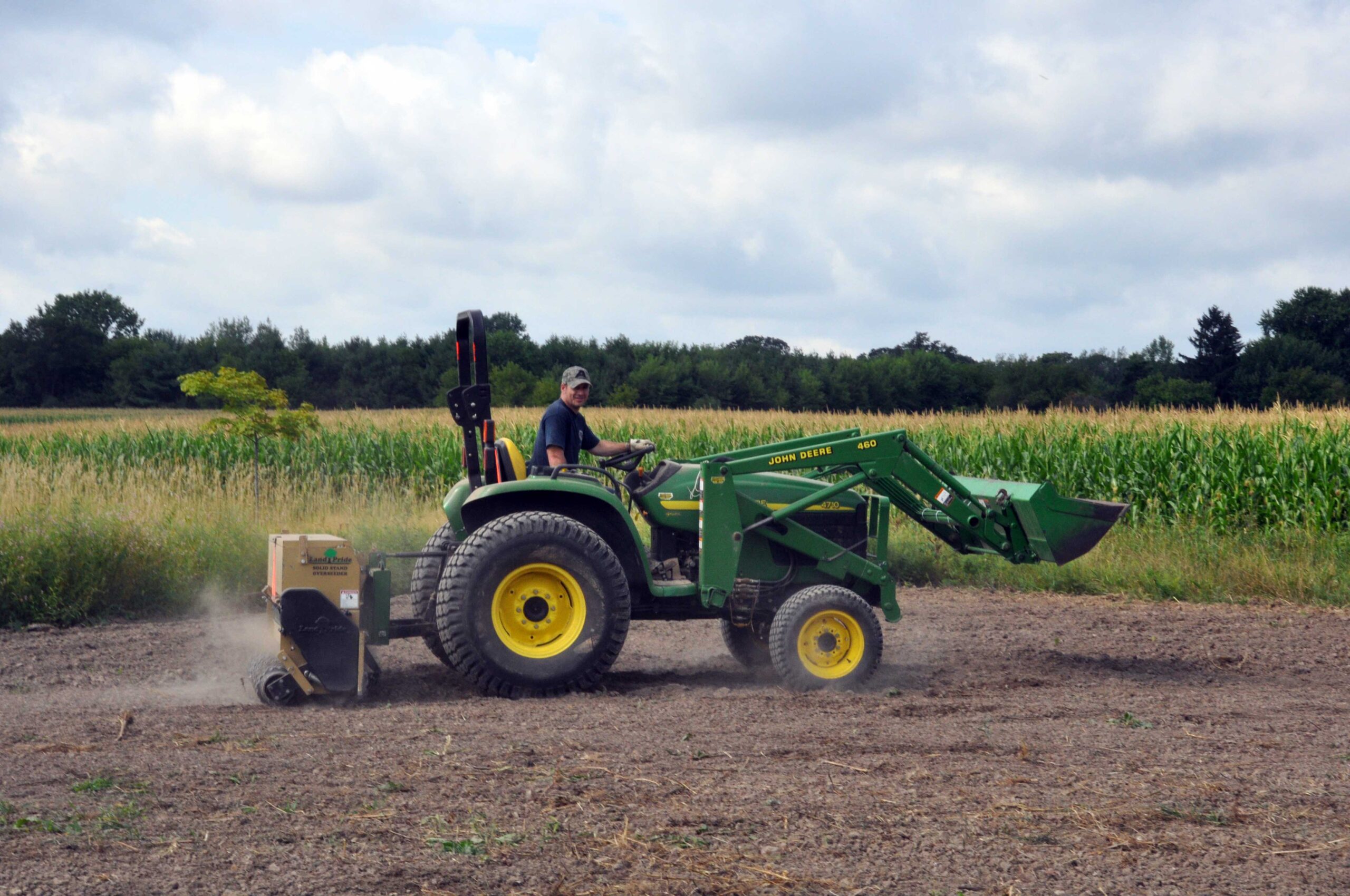
Gear up without going broke—start with multi-taskers. Our must-haves? A sturdy wheelbarrow ($50), post-hole digger ($40), and pruners ($20) for basics. For power, a cordless drill ($100) and chainsaw ($150) handle 80% of builds. If budgeting for a tractor, sub-compacts like John Deere’s 1 Series ($15,000 used) are game-changers for tilling and hauling.
Don’t forget fencing: Electric netting ($200/roll) keeps critters in check affordably. Where to snag deals? Local auctions, Craigslist, or co-ops— we scored a used rototiller for $300 that paid for itself in one season. Prioritize quality over quantity; cheap tools break, and you’re left swearing at a snapped shovel mid-dig.
Best Starter Tools Comparison
| Tool | Budget Pick (Under $50) | Upgrade Pick ($100+) | Why It Matters |
|---|---|---|---|
| Shovel | Fiskars Steel ($25) | Radius Garden ($120) | Ergonomic handles save your back on endless digging. |
| Watering Can | Basic Galvanized ($20) | Haws Self-Watering ($110) | Even flow for seedlings without drowning them. |
| Gloves | Pine Tree ($15) | Wells Lamont ($35) | Tough leather for thorns, but breathable for hot days. |
This table’s your cheat sheet—pick based on scale. We went budget at first; now, I splurge on gloves because thorn scars aren’t cute.
Selecting Animals and Crops: What Fits Your Setup?
Match your menagerie to your lifestyle—low-maintenance stars like chickens (eggs in 6 months) or rabbits (quick breeders) suit newbies. Veggies? Go heirlooms like ‘Brandywine’ tomatoes for flavor punches. We added goats after chickens; their milk’s a game-changer, but they demand sturdy fencing (lesson learned via one vine-chewing escape artist).
Soil test first ($20 kit from extension offices) to pick winners—acid-loving blueberries flop in alkaline dirt. Start small: 4 hens, a 10×10 bed. Rotate crops to fend off bugs; interplant herbs like basil with peppers for natural pest control.
Pros and Cons of Popular Starter Animals
- Chickens
- Pros: Cheap ($5/chick), fun personalities, fresh eggs daily. Manure’s garden gold.
- Cons: Noisy neighbors might complain; predators love ’em (foxes ate our first flock—RIP).
- Goats
- Pros: Weed-eaters extraordinaire, affectionate cuddlers, milk for cheese dreams.
- Cons: Houdini-level escape artists; need minerals or they’ll pine for salt licks.
- Rabbits
- Pros: Quiet, prolific (kits in 30 days), dual-purpose (meat/fur).
- Cons: Heat-sensitive; hutches must be predator-proof or you’ll have a furry tragedy.
These lists kept us grounded—chickens won round one for their comic relief alone.
Building Infrastructure: Fences, Coops, and Beyond
Your farm’s bones matter—skimp here, and chaos ensues. Perimeter fencing first: Woven wire ($2/foot) for goats, electric poultry netting ($1.50/foot) for birds. Coops? DIY from pallets ($100) beats $500 kits; ventilate well to dodge respiratory woes. We built a hoop house for $300 using PVC—extends your growing season by months.
Water systems: Rain barrels ($50) or simple drip irrigation ($100 kit) cut bills. Barn? Start with a lean-to shed. Safety first: Non-slip floors, secure latches—our goat fiasco taught us that the hard way.
Daily Management and Seasonal Tasks
Routine’s your friend—morning feeds, evening checks keep stress low. Spring: Plant, lamb. Summer: Weed, harvest. Fall: Preserve, prep beds. Winter: Mend gear, plan. Apps like Garden Planner track it all. Humor helps: When weeds win, call it “wild foraging practice.”
Sustainability shines here—compost everything, mulch heavily. Our first summer’s overzealous tilling eroded topsoil; now we no-till and smile wider.
Budgeting and Cost Breakdown for Your Hobby Farm
Numbers don’t lie, but they flex. Startup: $2,000-$10,000 (land prep, tools). Annual: $1,000-$5,000 (feed, seeds). We broke even on eggs year two via farmers’ markets.
Sample Annual Cost Table
| Category | Low-End Estimate | High-End Estimate | Tips to Trim |
|---|---|---|---|
| Feed/Seeds | $500 | $2,000 | Bulk buys, home-grown forage. |
| Vet/Tools | $300 | $1,000 | Preventive care, used gear. |
| Utilities | $200 | $800 | Solar pumps, rainwater harvest. |
| Total | $1,000 | $3,800 | Scale to your setup. |
This snapshot’s from our books—adjust for your zip code. Track via QuickBooks; it reveals leaks like overfeeding.
Common Mistakes and How to Sidestep Them
Enthusiasm’s great, but unchecked? Disaster. Top blunder: Overcommitting—we planted 50 tomato starts our first year, harvested half, and composted the rest from neglect. Start micro, scale slow. Ignoring soil? Test it. Skipping community? Lonely farms fail faster—join forums like Reddit’s r/homestead.
Another: Underestimating time. That “quick fence fix” ate a Saturday. Laugh it off, but log lessons. Emotional hook: Our biggest win? Forgiving flops. That wilted row taught resilience tougher than steel.
People Also Ask: Real Questions from Fellow Aspiring Farmers
Pulled straight from Google’s “People Also Ask” for “how to start a hobby farm,” these hit home—I’ve fielded ’em all.
How much land do you need for a hobby farm?
Most thrive on 1-5 acres, but success hinges on smart use, not size. A half-acre suits veggies and a few chickens; add goats, bump to 2+. We squeezed magic from 5, but quality trumps quantity—focus on fertile, sunny spots.
What is the best state to start a hobby farm?
No one’s “best,” but Vermont, Pennsylvania, or Missouri shine for affordable land ($3,000-$8,000/acre), mild climates, and ag support. West Coast? Pricey but water-rich. Pick by your vibe—soil, community, commute. Ours in Vermont? Leaf-peeping bonus.
How do I start a hobby farm with no experience?
Volunteer at a local farm or join 4-H classes—hands-on beats books. We shadowed a neighbor for weekends; it demystified everything. Start micro: Seeds in pots, then chicks. Resources like USDA Beginning Farmers guide you free.
Can you make money on a hobby farm?
Side hustle yes—eggs at $5/dozen or CSA shares net $1,000-$5,000/year. But it’s not the goal; treat it as bonus. We sell jams at markets for fun money. Tax tip: Track sales, but stay under business thresholds to keep it hobby-status.
FAQ: Your Burning Questions Answered
What’s the cheapest way to start a hobby farm?
Seed swaps and Craigslist treasures—$500 gets seeds, used coop, and netting. Focus on perennials like berries for long-term wins. Borrow tools via library programs; we did, saving hundreds.
How do I know if my hobby farm qualifies as a business for taxes?
IRS eyes profit intent: Show records, marketing efforts. If losing money three of five years? Hobby likely. Consult a tax pro—ours saved us headaches early.
Best crops for beginners on a small hobby farm?
Leafy greens (spinach, kale) and root veggies (carrots)—fast, forgiving. Add herbs for flavor flips. Succession plant for steady harvest; no bare dirt blues.
Where to buy starter animals for a hobby farm?
Local breeders or 4-H auctions for healthy stock—avoid big-box impulsivity. We got chicks from a neighbor; vetted, vaccinated, and chatty from day one.
How to handle pests without chemicals on a hobby farm?
Integrated pest management: Beneficial bugs, row covers, neem sprays. Companion planting’s wizardry—our marigolds nuked nematodes naturally. Patience pays; nature’s got backups.
Whew, we’ve covered a lot of ground—from that first soil scoop to dodging tax traps. Remember our goat-gate fiasco? It could’ve ended us, but instead, it sparked stories over dinner that still crack us up. Your hobby farm’s the same: Messy, joyful, utterly yours. It’s not about acres or yields; it’s that quiet pride when you crack an egg from your own hen. So grab a notebook, call that extension office, and take the leap. You’ve got this—and if you don’t, the soil forgives. What’s your first move? Drop a comment; I’d love to hear. Happy planting, folks.
Leave a Reply