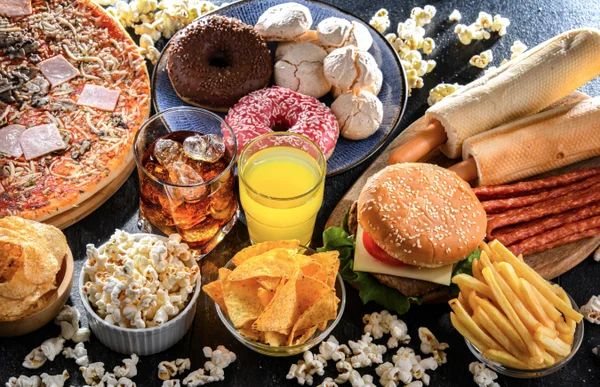
Remember that time I grabbed a quick bag of chips and a soda for lunch because I was running late? It seemed harmless, just a convenient pick-me-up. But after a few weeks of similar choices, I noticed my energy crashing mid-afternoon and my mood swinging like a pendulum. Turns out, those ultra-processed snacks weren’t just filling my stomach—they were quietly wreaking havoc on my health. If you’ve ever felt that post-junk-food fog or unexplained weight creep, you’re not alone. Science is shining a light on how these foods, loaded with additives and stripped of nutrients, are linked to serious issues from heart disease to anxiety. Let’s dive into the real story behind them, with some laughs along the way at how we’ve all been duped by flashy packaging.
What Are Ultra-Processed Foods?
Ultra-processed foods are those industrial creations that go way beyond simple cooking—they’re engineered with a laundry list of ingredients like artificial flavors, preservatives, and emulsifiers to make them shelf-stable and irresistible. Think sodas, packaged snacks, frozen pizzas, and even some yogurts that masquerade as healthy. According to the NOVA classification system, these make up over half our daily calories in many countries, sneaking in as convenient options but often lacking real nutritional punch.
Examples and How to Spot Them
Spotting ultra-processed foods is easier when you check labels for five or more ingredients, especially unfamiliar ones like high-fructose corn syrup or hydrogenated oils. Common culprits include instant noodles, sugary cereals, and processed meats like hot dogs. They’re designed to be hyper-palatable, but swapping them out starts with reading those fine-print lists at the store.
| Category | Examples | Why Ultra-Processed? |
|---|---|---|
| Snacks | Chips, cookies | Loaded with trans fats and artificial flavors |
| Beverages | Soda, energy drinks | High in added sugars and preservatives |
| Meals | Frozen pizzas, ready-to-eat soups | Industrial formulations with emulsifiers |
| Breakfast | Sugary cereals, flavored yogurts | Stripped nutrients, added colors |
The Toll on Your Physical Health
I’ve seen friends battle unexplained fatigue, only to realize their diet of quick microwave meals was the culprit—it’s like fueling a car with syrup instead of gas. Ultra-processed foods contribute to inflammation and nutrient deficiencies, setting the stage for chronic conditions. Studies show they’re linked to higher risks of obesity, diabetes, and heart issues, often because they spike blood sugar and pack empty calories.
Links to Obesity and Diabetes
Picture this: a study where participants ate 500 extra calories daily just from ultra-processed options without realizing it—leading to quick weight gain. These foods disrupt hunger signals, promoting overeating and insulin resistance. Over time, this raises diabetes risk by up to 40%, as seen in large cohort analyses.
Heart Disease and Other Risks
One buddy of mine joked he was “heartbroken” by his doctor’s warning after years of fast-food lunches—turns out, the sodium and trans fats were no laughing matter. Research ties high ultra-processed intake to a 50% increased risk of cardiovascular death. They clog arteries and boost blood pressure, making whole-food swaps a lifesaver.
- Pros of Reducing Ultra-Processed Foods: Lower inflammation, better weight control, reduced chronic disease risk.
- Cons: Initial inconvenience in meal prep, higher upfront costs for fresh ingredients.
How Ultra-Processed Foods Affect the Brain
Ever had that brain fog after a junk-food binge, where focusing feels like wading through molasses? I once powered through a deadline on candy bars and paid with a pounding headache—ultra-processed foods mess with neurotransmitters, leading to mood dips. Emerging evidence points to their role in cognitive decline and mental health struggles, almost like they’re rewiring our reward systems.
Mental Health Impacts
It’s heartbreaking to think something as simple as a diet could fuel anxiety or depression, but studies link ultra-processed diets to a 22% higher chance of depressive symptoms. They lack omega-3s and vitamins crucial for brain health, potentially exacerbating inflammation that affects serotonin levels. One review of millions found convincing ties to common mental disorders.
Addiction-Like Behaviors
These foods hit the brain’s dopamine centers like a slot machine, creating cravings that feel addictive—I’ve caught myself mindlessly munching chips while watching TV. Research shows 14-20% of adults exhibit food addiction traits, with ultra-processed items mimicking drug effects. This cycle can lead to emotional eating and poor impulse control.
Real-Life Examples and Stories
Take my neighbor Sarah: she switched from processed cereals to oatmeal after a diabetes scare, and within months, her energy soared and brain fog lifted—it’s like she reclaimed her life. Or consider the NIH study where folks on ultra-processed diets gained weight rapidly, highlighting how these foods sabotage us subtly. These tales aren’t rare; they’re reminders that small changes yield big wins, with a dash of humor in realizing we’ve been outsmarted by food engineers.
A Personal Turnaround
I remember ditching soda for herbal tea during a stressful work phase—it wasn’t easy, but my anxiety eased, and I slept better. Stories like mine echo in research, where cutting ultra-processed intake improved sleep and reduced wheezing risks. It’s empowering to know we’re not doomed; awareness is the first step.
Comparing Ultra-Processed vs. Whole Foods
Ultra-processed foods offer convenience but at the cost of health, while whole foods provide sustained energy without the crashes—think apples versus apple-flavored gummies. In comparisons, whole-food diets lower obesity risk by 55% compared to ultra-processed ones. The trade-off? A bit more prep time for lifelong benefits.
| Aspect | Ultra-Processed | Whole Foods |
|---|---|---|
| Nutrient Density | Low, mostly empty calories | High in vitamins, fiber |
| Health Impact | Increases disease risk | Reduces inflammation, supports brain function |
| Cost | Often cheaper short-term | More affordable long-term via health savings |
| Satisfaction | Quick hit, then cravings | Sustained fullness |
- Pros of Whole Foods: Boost immunity, enhance mood, prevent addiction cycles.
- Cons of Ultra-Processed: Hidden additives, potential for overconsumption.
People Also Ask
Drawing from common Google queries, here are straight answers to burning questions on ultra-processed foods.
What Are Examples of Ultra-Processed Foods?
These include chips, sodas, frozen meals, and sugary cereals—basically anything with a long ingredient list full of unpronounceable additives.
Why Are Ultra-Processed Foods Bad for You?
They spike risks for heart disease, diabetes, and mental health issues due to high sugar, salt, and fats that promote inflammation and overeating.
How Do Ultra-Processed Foods Affect Mental Health?
Diets heavy in them correlate with higher anxiety and depression, possibly by disrupting gut-brain signals and nutrient balance.
Can Ultra-Processed Foods Be Addictive?
Yes, their design triggers dopamine rushes similar to drugs, leading to cravings in about 14% of adults.
Where to Find Healthier Options
Grocery stores like Whole Foods or local farmers’ markets are goldmines for fresh produce and minimally processed items—think bulk nuts or organic veggies. Online, sites like Thrive Market deliver whole-food staples right to your door. For budget-friendly spots, check Aldi or Costco for affordable organic sections.
Best Tools for Avoiding Ultra-Processed Foods
Apps like Yuka scan barcodes to rate processing levels, helping you make smart swaps on the fly. Fooducate offers personalized tips, while the Open Food Facts database reveals hidden ingredients. Invest in a good blender for homemade smoothies—it’s a game-changer for ditching processed drinks.
- Fresh fruit instead of candy bars.
- Nuts and seeds over chips.
- Homemade soups versus canned.
FAQ
What Is the NOVA Classification System?
It’s a way to categorize foods by processing level, from unprocessed like fruits to ultra-processed like sodas.
How Can I Start Reducing Ultra-Processed Foods?
Begin by cooking simple meals at home, like stir-fries with veggies and lean proteins—gradual swaps prevent overwhelm.
Are All Processed Foods Bad?
No, minimally processed like canned beans are fine; it’s the ultra ones with additives to watch.
Do Ultra-Processed Foods Cause Cancer?
Some links exist, especially with processed meats, but more research is needed—moderation is key.
What’s a Quick Healthy Swap for Breakfast?
Trade sugary cereal for oatmeal with fresh berries—it’s filling and brain-boosting.
In wrapping up, ditching ultra-processed foods isn’t about perfection; it’s about reclaiming your vitality one bite at a time. I felt the difference myself—clearer thinking, steadier moods, and yes, even fitting into old jeans. With tools, swaps, and a bit of planning, you can too. Check out Harvard Health for more tips (external link: https://www.health.harvard.edu/blog/what-are-ultra-processed-foods-and-are-they-bad-for-our-health-2020010918605), or explore our site for recipe ideas (internal link: /healthy-recipes). Your body and brain will thank you—now, who’s ready for a real meal?
Leave a Reply