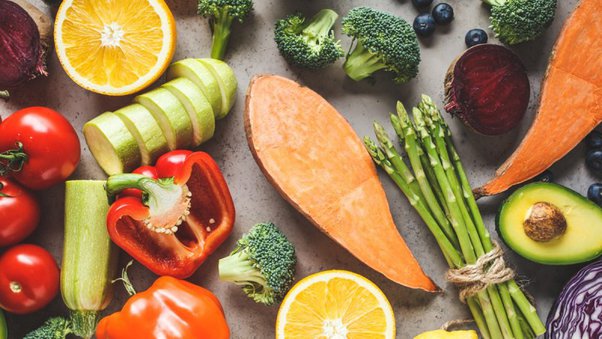
Hey there, if you’re reading this, chances are you’ve stared at the mirror a bit too long or felt that familiar tug on your jeans after the holidays. I get it—I was there a few years back, tipping the scales at 20 pounds over what felt right for me. It wasn’t about crash diets or starving myself; it was discovering foods that actually made me feel full and energized while the weight slowly melted away. Think of this as your friendly chat over coffee where I share what worked for me, backed by solid insights from places like Healthline and Mayo Clinic. We’re diving into 11 powerhouse foods that support weight loss by boosting satiety, revving metabolism, or packing nutrients without piling on calories. No fluff, just real talk on how to make your plate your ally.
Why These Foods Help with Weight Loss
Losing weight boils down to creating a calorie deficit, but the smart way is choosing foods that keep hunger at bay so you don’t raid the fridge every hour. High-protein options like eggs or salmon build muscle and curb cravings, while fiber-rich veggies fill you up on fewer calories. From my experience, swapping processed snacks for these made all the difference—I felt satisfied longer and had more energy for walks that sped up my progress.
The Science Behind Food and Satiety
Satiety is that magical feeling of fullness that stops you from overeating, and it’s often tied to a food’s protein, fiber, and water content. Studies show foods scoring high on the satiety index, like boiled potatoes, help you eat less overall without feeling deprived. I remember experimenting with this during my own journey; adding more of these kept my portions in check naturally.
Introducing the 11 Foods
These aren’t random picks—they’re drawn from trusted sources emphasizing nutrient density and weight management benefits. Each one offers something unique, whether it’s healthy fats for sustained energy or low-cal volume to trick your stomach into thinking you’ve eaten more. Let’s break them down one by one, with tips on how I incorporated them.
1. Eggs
Eggs are a breakfast hero in my book, packed with about 6 grams of protein per large one and only 70 calories. They promote fullness thanks to their high-quality protein, which studies link to reduced calorie intake later in the day. I used to boil a batch on Sundays for quick grabs—topped with veggies, they kept me going till lunch without the mid-morning slump.
2. Leafy Greens
Spinach, kale, and their leafy cousins are low in calories but high in fiber and water, making them ideal for bulking up meals. A cup of spinach has just 7 calories yet fills your plate, helping control portions. During my weight loss phase, I’d blend them into smoothies; it was like sneaking in veggies without noticing, and it really helped trim my waistline.
3. Salmon
This fatty fish delivers omega-3s and around 20 grams of protein per 3-ounce serving, boosting metabolism and reducing inflammation. It’s satisfying due to healthy fats that signal fullness to your brain. I grilled it weekly for dinners—paired with greens, it became my go-to for feeling nourished, not stuffed, and the pounds kept dropping.
4. Cruciferous Vegetables
Broccoli and cauliflower shine with fiber—about 2.5 grams per cup—and low calories, aiding digestion and prolonged satiety. They also contain compounds that may support hormone balance for better weight control. I roasted a tray every few days; adding spices made them crave-worthy, turning what could be boring into a tasty side that supported my goals.
5. Lean Meats like Chicken Breast
Skinless chicken offers 25 grams of protein in a 3-ounce portion with minimal fat, helping build muscle that burns more calories at rest. It’s versatile and keeps you full longer than carbs alone. In my kitchen experiments, stir-frying it with veggies became a staple—simple, quick, and way better than takeout for staying on track.
6. Boiled Potatoes
Don’t knock potatoes; boiled ones rank high on satiety scales, with resistant starch that acts like fiber for gut health. A medium one has about 160 calories but fills you up immensely. I rediscovered them mashed with herbs instead of butter—comfort food that didn’t derail my progress, proving carbs can be friends when chosen wisely.
7. Beans and Legumes
Lentils or black beans provide plant-based protein (around 8 grams per half-cup) and fiber, slowing digestion to prevent spikes in blood sugar. They’re budget-friendly and versatile for soups or salads. Adding them to my lunches was a game-changer; they kept energy steady, and I laughed at how something so humble helped me fit into old jeans.
8. Soups
Broth-based soups are low-calorie wonders, with volume from water that tricks your stomach into fullness. A study found starting meals with soup reduces overall intake. I made big pots on weekends—veggie-packed ones became my emotional comfort without the calorie guilt, easing those tough days on my weight loss path.
9. Cottage Cheese
Low-fat cottage cheese packs 14 grams of protein per half-cup at just 80 calories, plus calcium that may aid fat burning. It’s creamy and satisfying as a snack. I mixed it with fruits for evenings; it curbed sweet cravings, and honestly, it felt indulgent while helping me shed those stubborn pounds.
10. Avocados
Though calorie-dense at 160 per half, avocados’ healthy fats and fiber (7 grams) promote satiety and heart health. They help absorb nutrients from other foods too. Slicing half into salads was my trick—it added creaminess without overdoing it, making meals enjoyable during my transformation.
11. Nuts
A handful of almonds offers protein, fiber, and healthy fats—about 160 calories for 23 nuts—that curb hunger effectively. Studies show they don’t lead to weight gain when portioned. I kept portions in baggies for on-the-go; they saved me from vending machine traps, adding that crunch I craved without regrets.
Comparing Protein Content in These Foods
When picking foods for weight loss, protein is key for muscle maintenance and fullness. Here’s a quick table breaking down approximate values per standard serving to help you choose:
| Food | Serving Size | Protein (grams) | Calories | Fiber (grams) |
|---|---|---|---|---|
| Eggs | 1 large | 6 | 70 | 0 |
| Salmon | 3 ounces | 20 | 175 | 0 |
| Chicken Breast | 3 ounces | 25 | 140 | 0 |
| Beans | 1/2 cup | 8 | 120 | 7 |
| Cottage Cheese | 1/2 cup | 14 | 80 | 0 |
This comparison shows lean meats edge out in protein, but plant options like beans add fiber for extra satiety. I used something similar to plan meals, ensuring balance without boredom.
Pros and Cons of High-Fiber Foods for Weight Loss
High-fiber picks like leafy greens and cruciferous veggies are stars, but let’s weigh the sides:
Pros:
- Fill you up on low calories, reducing overall intake.
- Improve digestion and gut health, which supports long-term weight management.
- Stabilize blood sugar, preventing energy crashes and cravings.
Cons:
- Can cause bloating if ramped up too quickly—start slow, like I did.
- Require more prep time than grab-and-go snacks.
- Some, like beans, might not appeal to picky eaters at first.
Overall, the benefits outweighed the minor hassles for me, turning potential downsides into habits.
People Also Ask
Drawing from common Google queries, here are real questions folks search alongside weight loss foods, with straightforward answers based on expert insights.
What are the 5 foods that burn belly fat?
While no food magically burns fat, options like green tea, chili peppers, berries, fatty fish, and whole grains boost metabolism or reduce inflammation. I sipped green tea daily; it wasn’t a miracle, but combined with diet, it helped trim my midsection over time.
What to eat to lose weight in 7 days?
Focus on veggies, lean proteins, and whole grains while cutting sugars—think salads with chicken, eggs for breakfast, and soups. Aim for a 500-calorie deficit daily. I tried a similar reset once; it kickstarted motivation, but sustainable changes matter more than quick fixes.
What foods help you lose weight fast?
High-protein and fiber-rich ones like eggs, salmon, and broccoli speed things by keeping you full. Add metabolism boosters like chili peppers. From experience, consistency with these over weeks yields faster results than fad diets ever did.
What foods should I avoid to lose belly fat?
Steer clear of sugary drinks, fried foods, refined carbs like white bread, and processed snacks—they spike insulin and promote storage. I cut soda cold turkey; it was tough at first, but the flatter tummy was worth it.
Where to Get These Foods Fresh and Affordable
Sourcing quality matters—hit local farmers’ markets for leafy greens and cruciferous veggies, often cheaper than supermarkets. For salmon or lean meats, check Costco or Aldi for bulk deals. Online, Thrive Market delivers nuts and beans at discounts; I stocked up there to keep my pantry weight-loss ready without breaking the bank.
Best Tools for Tracking Your Weight Loss Journey
Apps like MyFitnessPal make logging calories a breeze, with barcode scanners for easy entry. For recipes, try Lose It! which suggests meals using these foods. I swear by a smart scale like Withings for tracking progress—pair it with the app for graphs that kept me motivated through plateaus.
FAQ
Can I eat these foods every day without getting bored?
Absolutely—mix them up with spices or recipes, like egg scrambles one day and salmon salads the next. Variety kept me excited; experiment to find combos that feel like treats.
How much weight can I lose incorporating these foods?
It varies, but aiming for 1-2 pounds weekly is realistic with a balanced diet and exercise. I lost 15 pounds in three months by focusing on them, but consult a doctor for personalized advice.
Are these foods suitable for vegetarians?
Most are, like eggs, beans, nuts, and veggies—swap salmon for tempeh or tofu. As someone who dabbled in veggie meals, they worked seamlessly without missing out on benefits.
Do I need to count calories with these foods?
Not strictly, since they’re naturally low-cal, but tracking helps at first. I used an app initially, then intuition took over as habits formed.
Can these foods help with long-term weight maintenance?
Yes, they promote sustainable eating patterns. Post-loss, I kept them central; it’s about lifestyle, not diets, and they’ve helped me maintain for years.
In wrapping up, these 11 foods transformed my approach to weight loss from struggle to strategy. They’re not just items on a list—they’re tools for feeling great while reaching goals. Give them a shot, tweak as needed, and remember, it’s your journey. If you’re consistent, the results will follow. For more tips, check our internal guide on meal prepping or explore Mayo Clinic’s diet resources. Stay strong!
Leave a Reply